


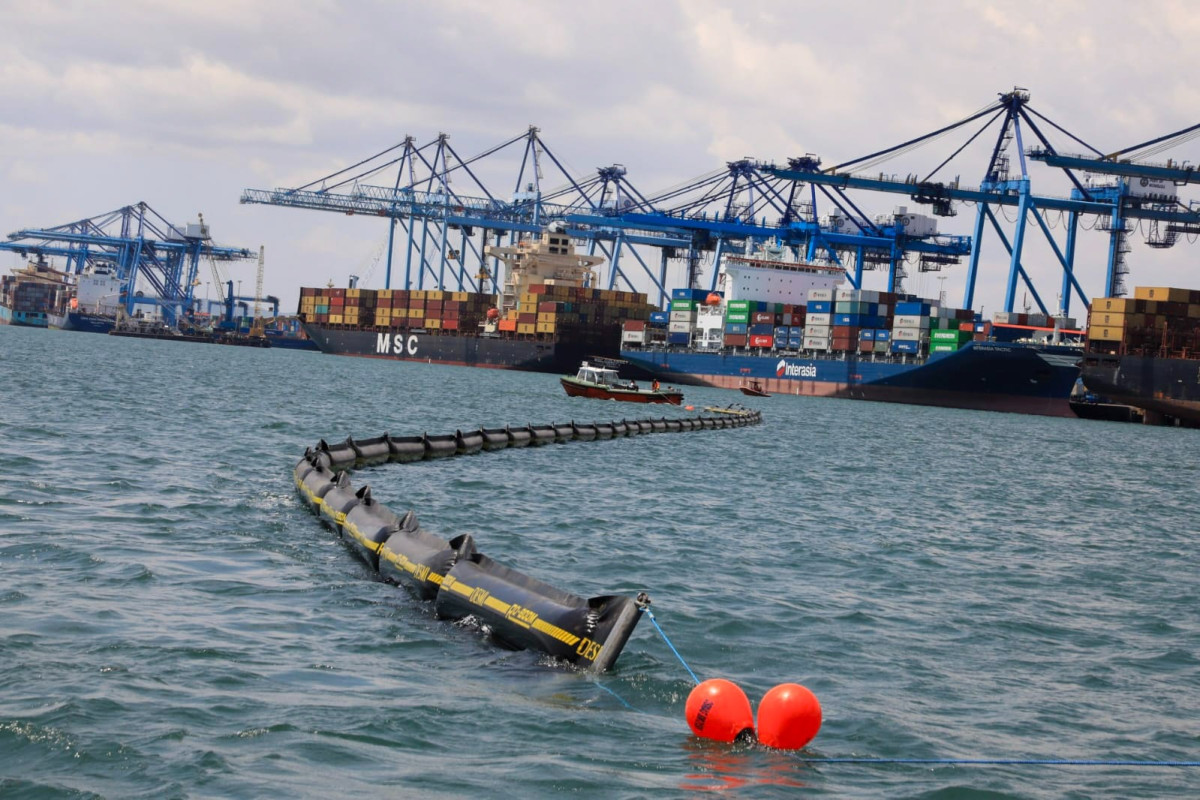
In a collaborative effort to bolster trade, the Kenya Revenue Authority (KRA) and the Kenya Ports Authority (KPA) have launched several joint reforms with the aim of decongesting the Port of Mombasa and accelerating cargo clearance. These changes focus on creating a digitally integrated environment that facilitates faster cargo movement and supports regional economic advancement.
KRA & KPA Immediate Interventions for Decongestion
Officials have directed that cargo intended for auction or destruction be relocated to Container Freight Stations to address urgent congestion issues. This initiative will prioritize items that have occupied yard space for over 21 days, with initial efforts concentrated in the port’s G-section to maximize operational flow and free up critical capacity.
The officials have pointed out that there will also be broadening of the Pre-Arrival Processing framework, which permits documentation handling before a ship even docks. This priority system is tailored for Authorized Economic Operators (AEO), as well as low-risk and bulk shipments, to curb delays and improve predictability for traders. Furthermore, the KRA is transitioning to a multi-vendor procurement model for Regional Electronic Cargo Tracking System (RECTS) seals to prevent the persistent supply shortages that have previously hindered the tracking process.
The authorities are partnering with the Kenya Railways Corporation to increase the number of Standard Gauge Railway (SGR) wagons to accelerate the movement of goods out of the port. This push will shift more cargo to inland container depots in Embakasi and Naivasha, therefore easing the burden on major roads and coastal port infrastructure. Additionally, there is intent to utilizie the Lamu Port for transshipment activities to relieve pressure on the Kilindini terminal and utilize the northern maritime gateway.
Effective January 26, 2026, a new industry standard for managing empty containers is set to launch, this will be supported by a dedicated stacking and loading area within the port. These physical improvements are matched by merge on digital platforms, which aims to remove redundant paperwork and manual bottlenecks. To ensure these changes lead to immediate results, KRA is also increasing on-site personnel at port exits and tracking offices to facilitate faster cargo arming and exit.
KRA Commissioner-General Humphrey Wattanga and KPA Managing Director Capt. William Ruto have characterized these reforms as a collective responsibility among all maritime and logistics stakeholders. The goal of this strategic reset is to cement Mombasa’s status as a premier, competitive gateway for the East African region.
Also read: KCB Wins CAK Approval to Acquire 75% Stake in Riverbank


