


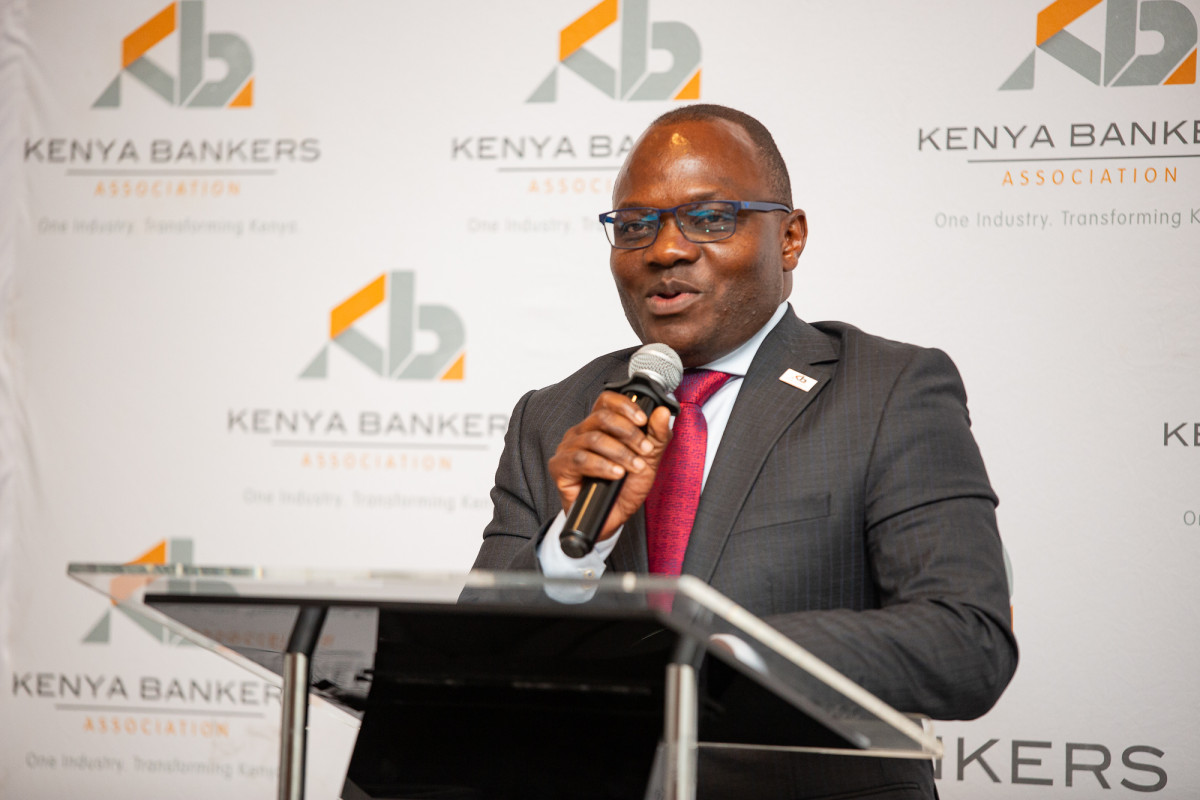
The Kenya Bankers association has proposed a uniform 5% reduction in PAYE rates across all existing tax bands. This follows Treasury Cabinet Secretary (CS) John Mbadi’s recently announced a plan to give a 5% PAYE reduction to those earning between KES 30,000 and KES 50,000 and zero-rate Pay as You Earn (PAYE) tax for over 1.5 million employed Kenyans earning below KES 30,000. Under this proposal, these low-income earners would pay zero PAYE, a move intended to provide a reprieve to those most affected by the current pressures arising from the cost of living.
While the Kenya Bankers association supports the government’s plan to zero-rate those earning up to KES 30,000, it has proposed an even more expansive reform. They argue that a uniform cut is necessary to fully realize the economic impact of tax reform by boosting household consumption and stimulating growth in productive sectors like agriculture and manufacturing. Furthermore, the industry recommends capping the highest PAYE rate at 30%. This would align personal income tax with the corporate tax rate, consistent with the National Tax Policy approved in 2023.
Current Deductions Including PAYE
In order to understand the impact of these proposals, we must look at the current mandatory deductions. Currently, the first KES 24,000 of taxable pay is taxed at 10%, followed by bands ranging from 25% up to a top rate of 35% for income exceeding KES 800,000 per month.
Beyond PAYE, workers have to also contribute to the Social Health Insurance Fund (SHIF) a mandatory contribution of 2.75% of gross monthly income. The Affordable Housing Levy (AHL) occassions a deduction of 1.5% of the employee’s monthly gross salary, matched by the employer. NSSF Contributions which due to the implementation of the NSSF Act 2013 has led to a phased increase in retirement savings. In February 2026, the Upper Earnings Limit will increase, meaning employees earning KES 108,000 or more will see their monthly NSSF deduction rise to KES 6,480.
The Kenya Bankers association notes that tax relief is essential to offset the impact of the ongoing progressive increase in NSSF contributions, which will require employees to contribute up to six percent of their pay by 2027.

For the average worker, these reforms would mean higher take-home pay, which will have a ripple effect as it would improve the capacity of borrowers to repay loans and expand access to credit for households and Micro, Small, and Medium Enterprises (MSMEs). By easing the tax burden, the banking sector believes the government can broaden the tax base through increased VAT and excise duty collections driven by higher consumption, rather than relying so heavily on labor taxation. These measures are intended to revive consumption and stabilize an economy currently weighed down by weak household demand.
Also read: Kakuzi Rolls Out Loose-Leaf Tea Brand as Part of Market Expansion Strategy


