


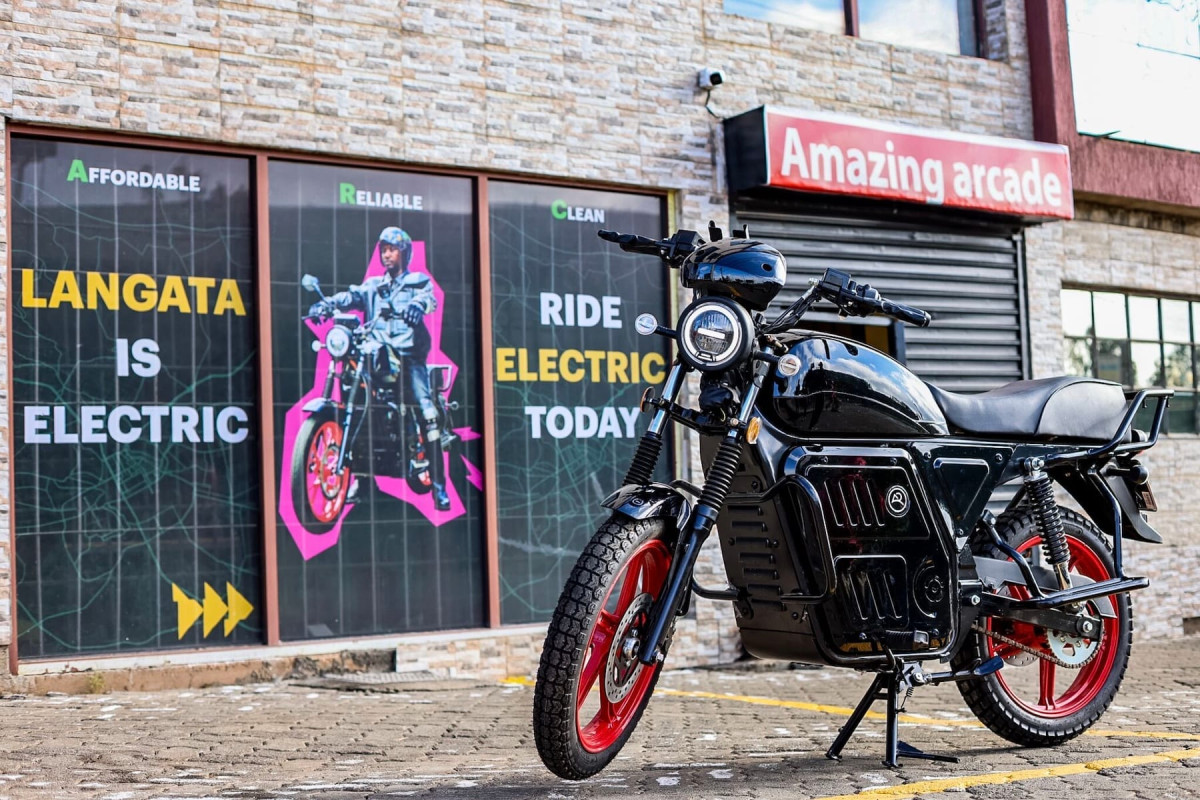
International Finance Corporation (IFC) is presently evaluating a substantial equity investment of $5 million in Arc Ride Limited (ARC Ride), an e-mobility startup with its main operations centered in Kenya. This planned investment was disclosed on February 12, 2026, and projected for board approval in March 16, 2026, aims to boost the growth of Africa’s electric vehicle (EV) sector.
About ARC Ride
ARC Ride was launched in 2020, and it operates as an e-mobility Battery-as-a-Service (BaaS) provider. The company’s business model is designed to deal with the high upfront costs of electric vehicle ownership by assembling electric two-wheelers (E2Ws) in the country and offering them to customers through hire-purchase agreements.
ARC Ride’s automated battery-swapping network is its major operation and is the first and largest of its kind in Africa. ARC Ride also allows riders to swap depleted batteries for fully charged ones quickly, eliminating long charging times. The company has already installed 183 charging and swap stations in Nairobi and is working to set industry standards for battery swapping that can accommodate multiple manufacturers.
The planned IFC funding follows a previous $5 million financing agreement secured in May 2025 from British International Investment (BII). The BII investment was specifically targeted at rolling out an initial 5,000 electric two-wheelers across Kenya, accelerating the expansion of the automated battery-swapping infrastructure and standardizing EV infrastructure across East Africa to reduce operational fragmentation.

ARC Ride’s transition from petrol-powered boda bodas to electric versions has had a profound environmental impact. The company estimates that its expanded network will directly save over 100,000 metric tonnes of carbon dioxide emissions in a year. The shift to e-mobility also addresses urban air pollution in Kenya, where the transport sector is responsible for 13% of greenhouse gas emissions.
The Kenyan government has moved aggressively to create an enabling environment for companies like ARC Ride. The E-Mobility Policy which launched in February 2026, provides a comprehensive framework for promoting EV adoption, building infrastructure, and fostering local manufacturing. Under the Finance Bill 2025, the government zero-rated VAT on electric bikes, bicycles, buses, and lithium batteries. The government has also eliminated excise duty on electric bikes and battery components to lower costs for consumers and manufacturers.

The President has been a vocal proponent of this shift, by personally launching electronic motorcycle assembly lines and advocating for the de-carbonization of the transport sector. In addition to this, in order to distinguish and promote the sector, the government recently introduced exclusive green reflective number plates for 100% electric vehicles.

Also read: Watu Welcomes Launch of Kenya’s New E-Mobility Policy 2026


