


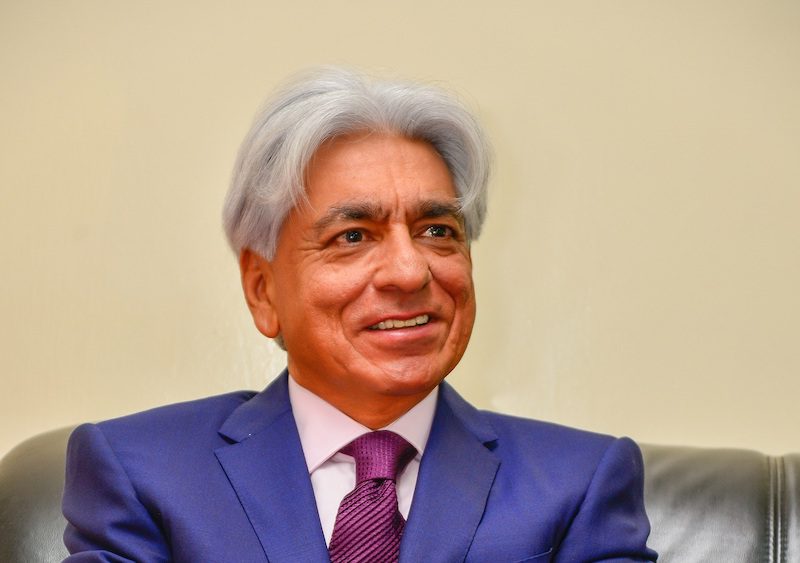
WPP Scangroup’s 20th Annual General Meeting on June 8 unfolded as a high-stakes contest after founder and former CEO Bharat Thakrar moved to remove the entire board. The resolutions he tabled were defeated, but the voting pattern exposed deep dissatisfaction among minority shareholders and renewed scrutiny of corporate governance at one of Kenya’s largest marketing services groups.
Thakrar, who led Scangroup for many years before stepping down in 2021, framed his campaign around five consecutive years of losses amounting to KSh 3.3 billion and a 62 percent decline in the company’s share price since his exit. He argued that the business had lost major clients, including KCB, Equity Bank, NCBA and Airtel Africa, and that revenues had fallen from about KSh 7 billion to roughly KSh 2 billion. Together with his wife Sadhana and a bloc of minority investors holding 13.59 percent of issued capital, Thakrar formally requisitioned the AGM agenda to include resolutions seeking the removal of the board.
The meeting saw notable board changes even before voting began. Three directors — Jon Eggar, Patou Nuytemans and Shahid Sadiq — retired and were replaced by nominees with close ties to the WPP group, including Nick Douglas, Group Finance Director at WPP Plc. That reshuffle heightened concerns among independent investors about board independence and the influence of the majority shareholder.
When votes were counted, 306.7 million shares participated in the AGM. Of those, 63.5 million independent shares — more than 99 percent of the independent vote — supported Thakrar’s resolutions, while 243.1 million shares held by the parent company voted against. The result meant the incumbent board remained in place, illustrating how a controlling stake can determine outcomes even when minority shareholders coalesce around change.
WPP Scangroup AGM Shows Minority Shareholders Subjected to Unfair Powerplay
The AGM highlighted a structural imbalance in shareholder power. The parent firm’s roughly 56 percent controlling stake effectively overrides minority voices, a reality that many investors and governance advocates say undermines accountability. Minority shareholders described their unified vote as a symbolic but powerful message demanding better oversight, transparency and performance from the board and management.
Among the issues raised during the campaign and at the AGM were questions about board accountability for sustained losses and client attrition, and scrutiny of related-party transactions. One such matter cited by critics was a KSh 1.2 billion related-party loan to WPP Group Services SNC at an interest rate of 5 percent, which drew calls for clearer disclosure and stronger safeguards around related-party dealings.
After the meeting, Thakrar said the strong minority vote sent a clear signal that investors expect accountability and improved performance. He framed the defeat as a consequence of concentrated ownership rather than a lack of support for his proposals, and indicated he would continue to press for governance reforms and greater independence on the board.

We “lost” the vote today. But strip out WPP’s own 56.26% block, and more than 99% of independent shareholders voted to remove the board. WPP didn’t defeat a divided minority — it overruled a near-unanimous one. 👇 #WPPScangroup
— Bharat Thakrar (@bharatthakrar) June 8, 2026
For investors, the AGM confirmed that WPP Plc’s control provides short-term stability for the existing leadership but also leaves unresolved tensions that could affect the company’s strategic direction and market confidence. The episode has reignited debate about minority shareholder rights and corporate governance standards in Kenya’s capital markets, and it may prompt regulators, institutional investors, and market participants to revisit how listed companies balance majority control with minority protections.
In sum, Bharat Thakrar’s bid did not succeed in removing the WPP Scangroup board, but it succeeded in focusing attention on governance shortcomings and rallying independent shareholders around a common cause. The strong minority vote is likely to influence future discussions about board composition, transparency, and performance at Scangroup and across other Kenyan listed firms.
Also Read: WPP Scangroup PLC Reports Widening Losses for FY 2025 Amid Revenue Declines


