


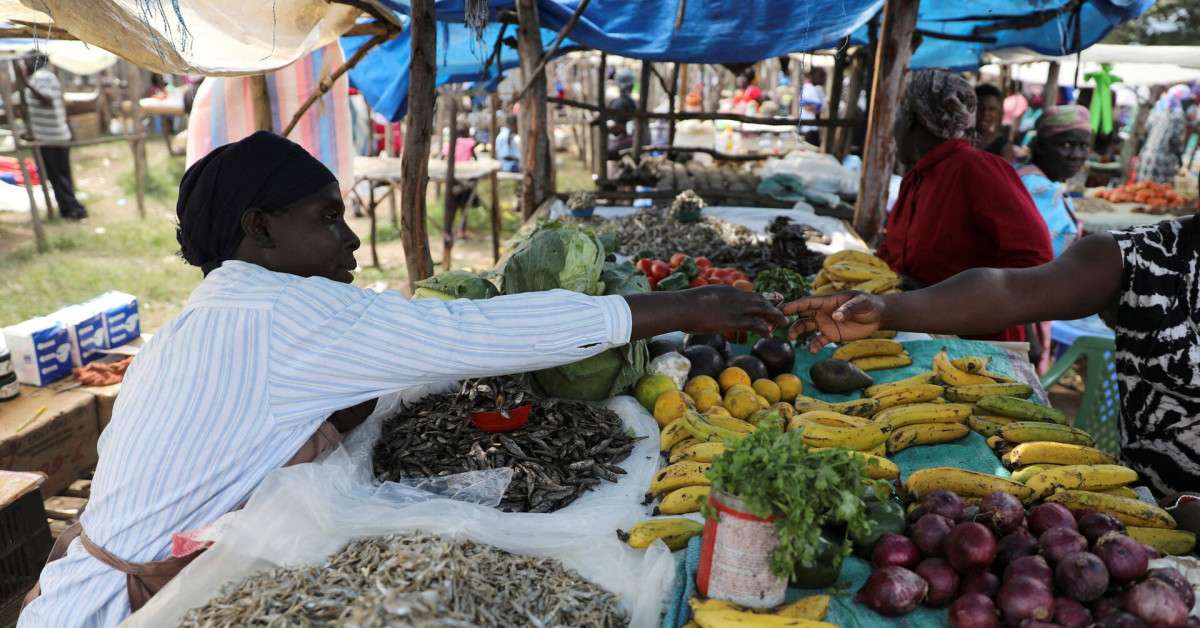
According to Kenya National Bureau of Statistics (KNBS) Kenya’s annual inflation rate for November 2025 was to 4.5% from 4.6% in October. According to data by the Kenya National Bureau of Statistics and NCBA Research, the Consumer Price Index (CPI) for November 2025 was 147.08, up from 146.84 in October 2025, resulting in a monthly inflation rate of 0.2%. The annual inflation rate is comfortably within the Central Bank of Kenya’s (CBK) target band of 2.5% – 7.5% as it has been over a period of the last 12 months.
The moderation in the annual rate was primarily driven by a slowdown in food inflation, which declined to 7.7% from 8.0% the previous month. While prices for specific items such as onions, oranges, and kale increased, significant declines in fortified and sifted maize flour, tomatoes, and sugar, alongside reduced electricity tariffs, provided a counterbalancing effect.

In contrast, the transport sector exerted upward pressure, with costs rising 5.1% year-on-year and 0.4% month-on-month. This increase was largely attributable to a 9.1% rise in country bus and matatu fares, despite retail prices for petrol and diesel remaining unchanged. Meanwhile, costs for housing, water, electricity, gas, and other fuels saw a slight monthly decline of 0.1%, influenced by lower electricity tariffs, though partially offset by higher charges for firewood and water.
Underlying inflationary pressures appear subdued, as core inflation fell to 2.3%, marking its fourth consecutive monthly decline. NCBA cautions that this persistent trend may signal a potential weakness in broader economic activity and subdued demand-side pressures. In terms of monetary policy, the Central Bank Rate was reduced to 9.25% from 9.50% in October, a move anticipated to stimulate credit uptake. The Kenya Shilling experienced minor depreciation against the US Dollar, easing to KES 129.8 from KES 129.2. Nevertheless, the relative stability of the exchange rate, combined with steady fuel prices, continues to anchor inflation expectations.
Future outlook on Inflation
Looking forward, risks to the outlook are mixed. NCBA research highlights potential upward pressure on vegetable prices due to delayed and below-average short rains in Kenya and Uganda. Conversely, the global forecast for Brent crude oil to remain around $60 per barrel is expected to provide a stabilizing influence on international commodity prices. Consequently, NCBA projects that inflation will likely remain close to the midpoint of the CBK’s target band by the year’s close.
Also Read: Stanbic PMI at Five-Year High of 55.0 in November 2025 amid Private Sector Growth


