


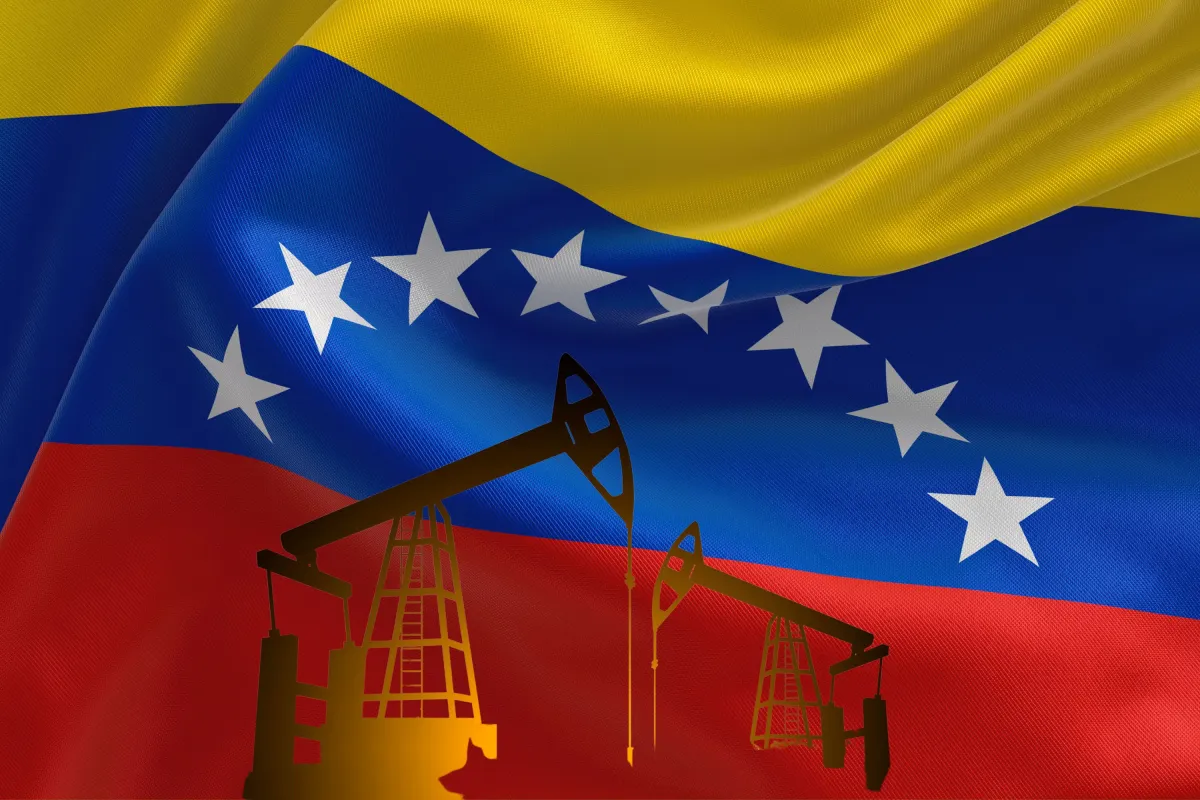
Oil prices edged lower on Tuesday as markets weighed the possibility of higher Venezuelan crude output, reinforcing expectations of ample global supply amid weak demand. Brent crude futures fell 0.34% to $61.55 per barrel, while U.S. West Texas Intermediate (WTI) slipped 0.45% to $58.06.
The pressure on oil prices stems from speculation that U.S. sanctions on Venezuela could be eased following recent political developments. With Washington’s capture of President Nicolás Maduro and the installation of an acting government, members of the Trump Administration are expected to meet with U.S. oil executives this week to discuss strategies for reviving Venezuela’s oil industry.
Venezuela, a founding member of OPEC and holder of the world’s largest proven oil reserves, averaged about 1.1 million barrels per day of crude output last year—far below its historical capacity.
Analysts at The Trading Room suggest Venezuelan production could rise by as much as 500,000 barrels per day over the next 18 months under improved political and investment conditions. Such an increase would add significant supply to an already well-stocked market, potentially weighing further on oil prices despite the likelihood of an OPEC+ response if inventories rise sharply.
How Maduro’s Arrest Could Affect Oil Prices
U.S President Donald Trump has emphasized that the blockade of Venezuela and Maduro’s capture were aimed at reviving the country’s oil industry and reclaiming what he alleges were stolen assets. If the new acting president cooperates with Washington, sanctions relief could accelerate, paving the way for a sharp rebound in Venezuelan output.

For now, traders remain focused on the geopolitical fallout and its implications for global supply. With demand indicators still weak and OPEC+ committed to boosting production in December before pausing increases in early 2026, the prospect of additional Venezuelan barrels is reinforcing bearish sentiment across the energy markets, a move that will impact current oil prices.


