


A notable recovery in bank lending has been recorded in Kenya in the second half of the year amid a noticeable easing of key risk indicators, following an extended period of pressure spanning two years. This revitalization was underscored by private sector credit reaching an unprecedented KES 4.15 trillion in November 2025, reflecting a year-on-year growth of 6.4% from the approximate KES 3.90 trillion recorded in the corresponding period of the prior year.
This credit expansion marks a decisive shift from the restrictive climate observed at the beginning of the year, when credit had receded by 2.9% in January. The sustainability of this positive trajectory into 2026 is anticipated to be dependent upon several factors, including stable inflation, the continuation of robust liquidity conditions within the financial system, and the complete implementation of the revised Risk-Based Credit Pricing Model (RBCPM) scheduled for full implementation in March 2026.
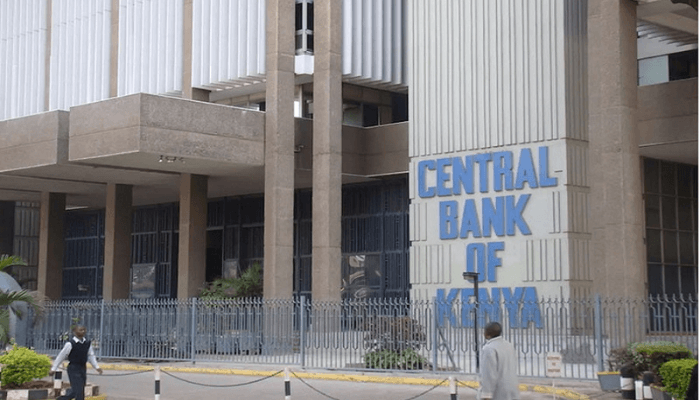
A primary catalyst for this recovery has been an assertive monetary policy stance adopted by the Central Bank. Since June 2024, the Monetary Policy Committee has enacted nine consecutive reductions in the policy rate, delivering 400 bps in cuts, culminating in a Central Bank Rate (CBR) of 9.00%.

This sustained easing cycle has transmitted to the market, with average lending rates declining to 14.9% in November 2025 from 17.2% in the same period in the previous year. The consequent reduction in funding costs has stimulated loan demand, particularly within the manufacturing, construction, and trade sectors, which are significant consumers of working-capital and asset-finance facilities.
Concurrently, the banking sector entered the second half of the year with substantially improved liquidity positions. The Credit Officer Survey for the third quarter revealed that 86% of institutions reported stronger liquidity, with 29% indicating intentions to channel this excess liquidity into private-sector lending. Enhanced interbank activity further reflected growing confidence across the financial system. Notably, credit standards remained unchanged across all sectors, signaling a period of stabilization and a return of lending appetite without an associated tightening of credit assessment criteria.
Credit Expansion and Balance Sheet Growth
This supportive environment facilitated a measurable increase in bank lending activity. Gross loans to the private sector rose from KES 4.147 trillion in June to KES 4.257 trillion by September. This expansion was bolstered by a 1.8% growth in deposits over the same period, which augmented the lending capacity of banks and contributed to a rise in total sector assets to KES 8.06 trillion.
Parallel to the expansion in credit volume, asset quality demonstrated marked improvement throughout the second half of the year. The gross non-performing loan (NPL) ratio declined to 16.5% in November 2025, down from 17.6% in June 2025 and 17.4% in March 2025. This improvement was driven by intensified recovery efforts focused on personal loans, construction, real estate, transport, and trade portfolios. The dual effect of lower interest burdens and more stable borrower cash flows provided material support to repayment performance across these segments.

Also Read: CBK Cuts Benchmark Rates For The 9th Consecutive Time


