


The energy sector in Kenya is navigating a period of significant strain and transformation, which has been propelled by a rising demand coupled with critical infrastructure upgrades. Recent data indicates a consistent upward trend in monthly peak electricity demand, which climbed from 23,622.28 MW in July 2025 to 24,393.06 MW by December 2025. This growth is attributed to increased customer connections, that currently exceeds 100.6 million, expanded economic activities, which have intensified pressure on Kenya Power to ensure reliable supply.
This surge in consumption has highlighted the nation’s grid capacity constraints. Officials have expressed concern that the national spinning reserve which is a critical buffer of readily available power, has fallen below the recommended five percent threshold in the recent years. This unstable situation has heightened the risk of supply shortages during demand spikes. Furthermore, the State Department of Energy has warned that an additional increase of 70 MW could necessitate the replacement of the aging grid infrastructure to manage the heightened load.
Kenya’s Move to Secure Power Supply
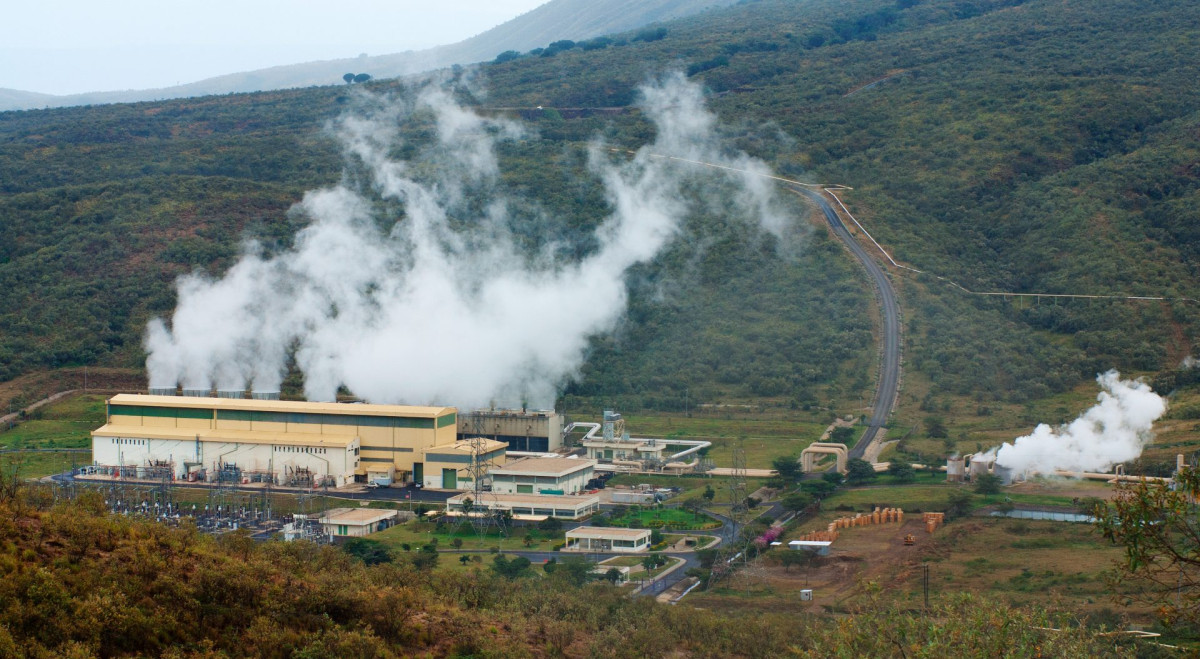
In response to these challenges, a multi-faceted strategy is being implemented to bolster power generation capacity and diversify supply sources. Notably, independent power producers are playing a key role. A Chinese-supported geothermal plant is scheduled to commence operations in March, while British firm Global Energy Group is developing two new geothermal plants, each with a 3.35 MW capacity. Furthermore, the rehabilitation of the Olkaria I plant aims to increase its output from 1.6 MW to 3.6 MW. The state-owned Kenya Electricity Generation Company (KenGen) is also upgrading a solar photovoltaic plant, expanding its capacity from 4.5 MW to 6.5 MW.
Alongside these domestic projects, Kenya is securing additional power through regional imports, which have become vital for grid stability. Since 2022, Kenya Power has imported 200 MW of hydropower, a measure credited with preventing widespread blackouts. Looking ahead, plans are in place to double electricity imports to 400MW from Ethiopia by December 2026, which is in accordance with a recently signed 25-year power purchase agreement. These combined efforts in generation enhancement and strategic imports are essential to meet record-breaking demand, which saw a new peak of 2,439.6 MW recorded on December 14, 2025, and to ensure the long-term reliability of the nation’s power supply.


