


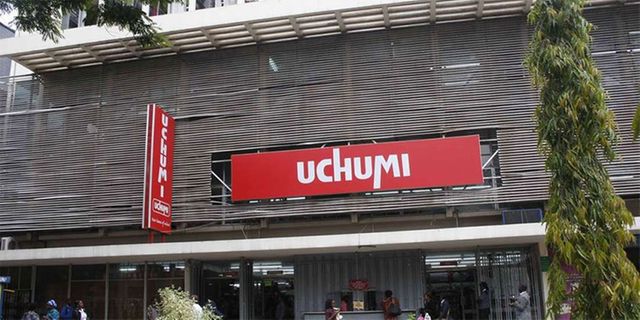
Uchumi Supermarket has reopened two of its key branches the Langata Hyper and Unicity stores, which serves as notable indicators of Uchumi’s recovery and its potential impact on its stock price. Uchumi Supermarket Limited is currently the 53rd most valuable stock on the Nairobi Securities Exchange (NSE) with a market capitalization of KES 478 million.
As of January 20, 2026, its share price closed at KES 1.31, with a market capitalization of approximately KES 478 million. Uchumi started the year 2026 at KES 1.03 and has gained 39.4% year-to-date. However, the price remains highly volatile, as seen in its decline over the four weeks leading into mid-January 2026.

Source: AFX Kwayisi
Uchumi’s Financials Show Signs of Recovery
For over 42 years, Uchumi Supermarkets has been more than just a retailer, it has been a household name in Kenya, but over the years we have seen the once-iconic retailer face imminent dissolution due to mounting financial struggles and old debt. This eventually required a High Court-approved recovery program and a Company Voluntary Arrangement (CVA) which was established in March 2020 and is mandated to run until June 2026 to maintain its viability.
To survive these challenges and address substantial losses including a KES 49.7 million loss recorded as recently as 2024, the retailer was forced to pivot its business model, transitioning from active retail operations to renting out its prime locations to other businesses to generate essential income. With this backing in place, the company has since taken concrete steps to regain financial order, including formally inviting unsecured trade creditors to register their claims as part of a broader effort to transparently manage and settle its outstanding obligations.
After the shift away from an exclusive reliance on retail sales toward monetizing its property assets through rental income, a move that has begun to deliver tangible results. The clearest example is the former Lang’ata Hyper Branch, which has been leased to China Square since June 2024. This change in business model has helped return the retailer to profitability, with Uchumi posting a rare profit of KES 8.8 million for the year ended June 30, 2025, a sharp reversal from the previous year’s loss, while revenues nearly doubled to KES 123 million.
The transition from a loss-making retailer to a profitable property-management-focused entity has triggered massive speculative growth, resulting in a 611.7% increase in UCHM’s stock price over the past year.
Uchumi is back — not just as a store, but as a story reborn. The shelves are filling, the ovens are warm, and the memories are alive again. From generations that grew up with us, to a new one discovering us — this is your home of value, rising once more. Welcome back to the supermarket you never stopped loving.” Uchumi Supermarkets.
Uchumi’s path forward will lie on its ability to convert this recovery into a durable and transparent business model that restores confidence among creditors, regulators, and shareholders. The shift toward rental income has bought the retailer time and the reopening of its stores will definitely boost revenue, but it is not a substitute for strong governance, clear financial reporting, and a credible long-term strategy that balances property management with a modern, competitive retail offering.

If Uchumi can successfully close out its CVA by mid-2026, institutionalize compliance, and steadily rebuild trust, it stands a realistic chance of shedding its crisis-ridden past.
Also Read: KBA Pushes for Public Float in Government’s Sale of Safaricom 15% Stake to Vodacom


