


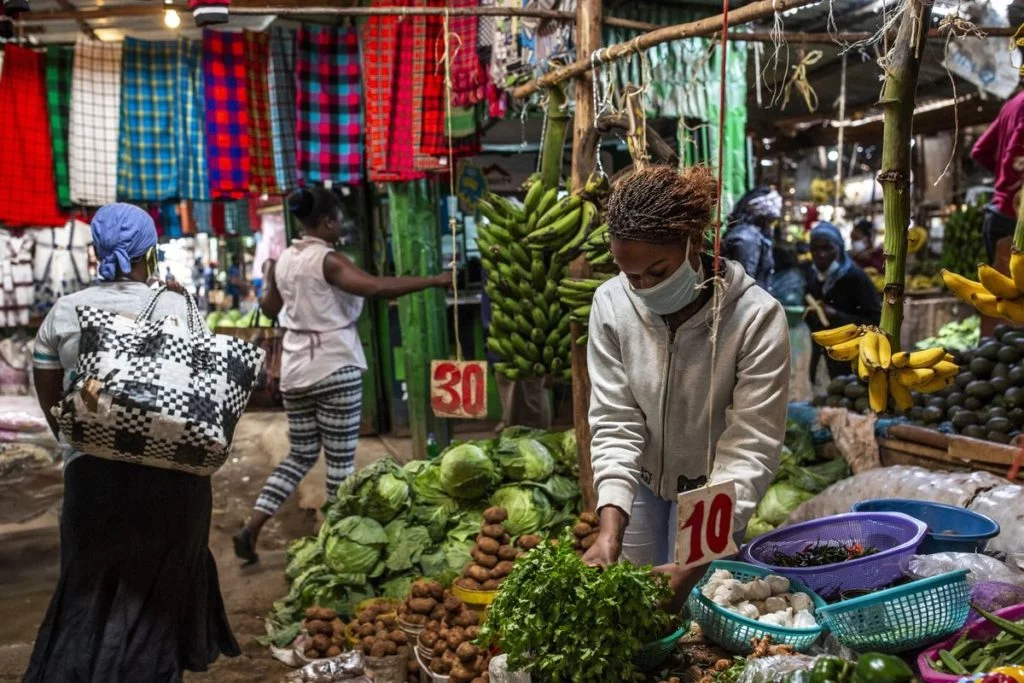
In February 2026, Kenya’s annual inflation rate experienced a marginal decline, easing to 4.3 percent from 4.4 percent in January 2026. This moderation in inflationary pressure enhances the Central Bank of Kenya’s (CBK) scope to pursue further reductions in interest rates hence reinforcing its accommodative monetary policy stance.
The latest figures released by the Kenya National Bureau of Statistics (KNBS) show that prices are still stable. Meanwhile, since the inflation rate has stayed below the 5.0 percent median level, and the CBK has been able to cut borrowing costs at every meeting as from August 2024, and currently the February figures continue to affirm the effectiveness of the apex bank’s strategy in balancing price stability with economic growth objectives.

Key Drivers of Inflation
According to the KNBS report, the general price level in February 2026 was 4.3 percent higher than in the same month of the previous year, indicating a broad-based easing of price pressures. Notably, the Food and Non-Alcoholic Beverages category recorded a 7.3 percent year-on-year increase, while transport costs rose by 4.0 percent. Additionally, the housing, water, electricity, gas, and other fuels index grew by a modest 1.8 percent. Collectively, these three categories account for more than 57 percent of the weighting in the Consumer Price Index, underscoring their significance in shaping the overall inflation trajectory.
On a month-to-month basis, food prices exhibited mixed movements. The KNBS report highlighted declines in the prices of certain staple commodities between January and February 2026. The cost of sugar fell from KES 174.17 per kilogram to KES 166.56, while mangoes decreased from KES 149.09 to KES 144.37 per kilogram. The price of tomatoes also saw a slight reduction, moving from KES 87.98 to KES 87.90 per kilogram. These adjustments contributed to the moderation in food inflation, which played a key role in the overall easing of consumer prices.
Core inflation, which excludes volatile items such as fresh food and fuel, also moderated, declining to 2.1 percent in February from 2.2 percent in January. This measure, which encompasses manufactured food, health, education, and ICT services, reflects a continued easing of underlying price pressures within the economy. The sustained decline in core inflation suggests that fundamental drivers of price increases remain subdued, offering further reassurance to policymakers.
Kenya’s inflation rate of 4.3 percent remains comfortably within the CBK’s target range of 2.5 to 7.5 percent, providing the monetary authority with continued flexibility to support economic activity through accommodative policy measures. The combination of moderating food prices and subdued core inflation strengthens the case for maintaining the current easing cycle.

Also Read: Central Bank of Kenya Targets KES 60 Billion in March Treasury Bond Re-opening


