


The ripple effects of escalating geopolitical tensions in the Middle East are impacting Kenya’s aviation industry, causing airlines to implement fuel surcharges in response to sustained increases in global oil prices. As crude oil benchmarks rebound amid mounting supply disruptions and faltering diplomatic efforts, carriers are signaling that the prolonged conflict is now translating into tangible cost pressures for consumers.
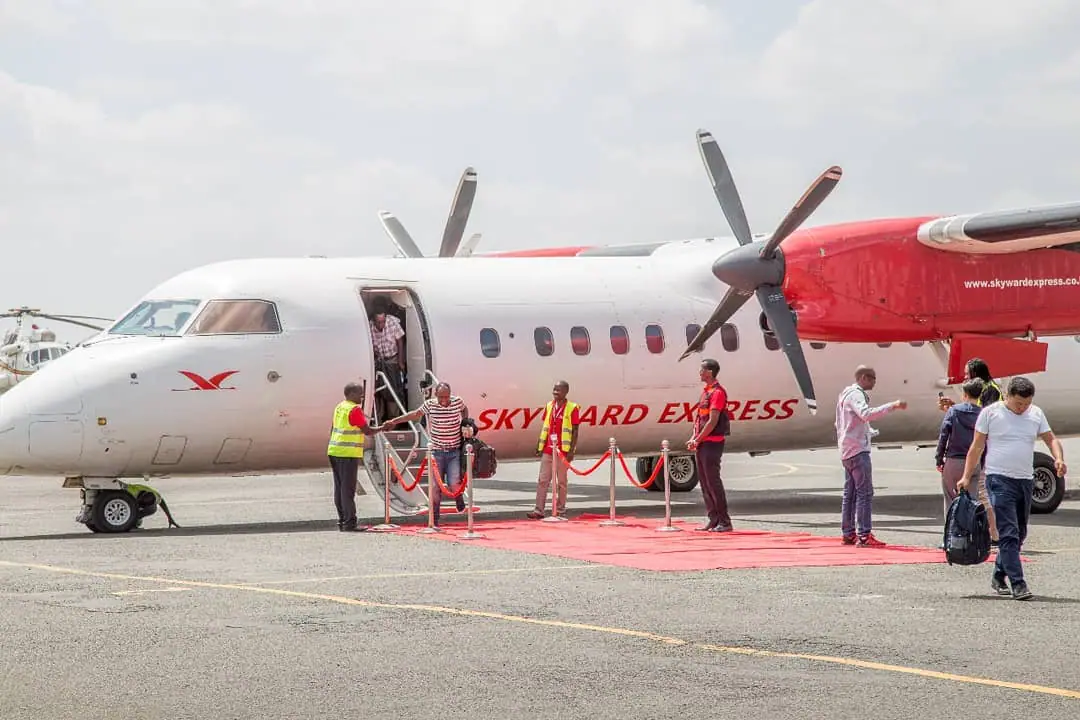
The global oil markets have experienced renewed volatility as concerns over energy flows through the Strait of Hormuz persist. Against this backdrop of sustained upward pressure on fuel costs, airlines have begun taking deliberate measures to safeguard operational stability. Following this, Skyward Airlines announced in a passenger advisory dated March 26, 2026, that a fuel surcharge would be applied to all ticket prices effective April 1, 2026. The carrier noted that internationally imported fuel represents a substantial portion of its operating costs per flight and that sustained supply pressures in international markets have necessitated the price adjustment.
Similarly, Jambojet issued a customer update on March 25, 2026, citing the ongoing Middle East crisis as the primary driver of sustained increases in global fuel costs. The airline stated that the global constraints on fuel supply present a challenge across its network and that, despite proactive cost management measures, further action was required to support operational stability and minimize service disruptions. Consequently, Jambojet will implement a fuel surcharge of KES 300 (USD 2.3) on all flights effective April 1, 2026.

The blend of these developments illustrates the rising impact of geopolitical instability on global energy markets and by extension, on downstream industries such as aviation. While the United States crude inventories have risen to their highest levels since June 2024, this domestic supply buffer has done little to insulate international markets from the broader supply disruptions affecting Russian export capacity, Iraqi production, and Middle Eastern shipping routes.
For consumers, the implementation of fuel surcharges by airlines represents the most direct point of contact pegged to the global forces. Moreover, the decisions by Skyward Airlines and Jambojet reflect a broader industry trend in which carriers, facing a cost structure heavily dependent on volatile fuel markets, are compelled to adjust pricing models to preserve operational continuity. Both airlines have indicated that they will continue to monitor the evolving situation closely and will provide updates should circumstances change.
Future Outlook for Airlines
The current military tensions show little sign of subsiding even amidst ongoing discussions on an off-ramp. The outlook for energy markets continues to be characterized by uncertainty. Currently, the aviation industry remains acutely sensitive to fluctuations in fuel costs in the coming months which will require continued vigilance and adaptability. Passengers, in turn, can expect that the cost of air travel will remain responsive to developments in the middle east region whose stability has profound implications for global energy supply and, by extension, for the broader economy.

Also Read: Crude Oil Prices Surge on Middle East Supply Disruptions


