


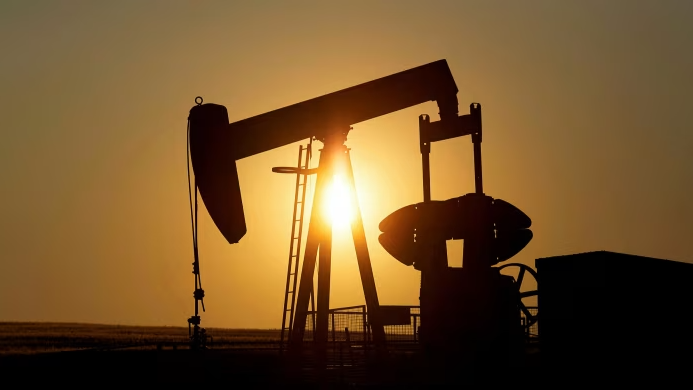
Oil prices rose sharply over the weekend and into Monday, climbing nearly two percent as plans for a second round of peace negotiations between the United States and Iran unraveled once again. By Sunday evening, international benchmark Brent crude futures had risen more than two percent to USD 107.89 per barrel, while U.S. West Texas Intermediate also jumped more than two percent to USD 96.63. The price surge extended gains from the previous week, during which both benchmarks recorded their largest weekly increases since the start of the conflict.
The breakdown in diplomatic efforts followed a decision by U.S. President Donald Trump on Saturday to cancel plans to send envoys Steve Witkoff and Jared Kushner to Islamabad, Pakistan for negotiations with Iran. In a post, the president cited excessive travel time and internal discord within Iran’s leadership, stating,
“Nobody knows who is in charge, including them.” He added that the United States holds all the leverage, saying, “If they want to talk, all they have to do is call!”
Meanwhile, Iranian Foreign Minister Abbas Araghchi traveled to Islamabad over the weekend but met only with Pakistani officials before departing. Iran’s Foreign Ministry spokesperson, Esmaeil Baqaei, confirmed in a social media post late Friday that no meeting was planned between Iran and the United States.
Oil Supply Fears Intensifies
Tensions in the region escalated further over the weekend. The Islamic Revolutionary Guard Corps reportedly boarded two cargo ships near the Strait of Hormuz, a critical chokepoint for global oil shipments. Tehran has largely halted traffic through the strait while Washington maintains a port blockade, leaving shipments severely limited. Market analyst, noted that the failed negotiations place the initiative back with Iran, warning that Tehran may soon be forced to cease production at its aging oil fields should it exhaust available storage capacity.
Against this backdrop, Goldman Sachs revised its oil price forecasts upward, projecting fourth-quarter Brent prices at USD 90 per barrel and West Texas Intermediate at USD 83 per barrel. The bank cautioned that if global inventories decline to critically low levels, non-linear price increases are likely to occur, reflecting heightened market sensitivity to supply disruptions in the region.


