


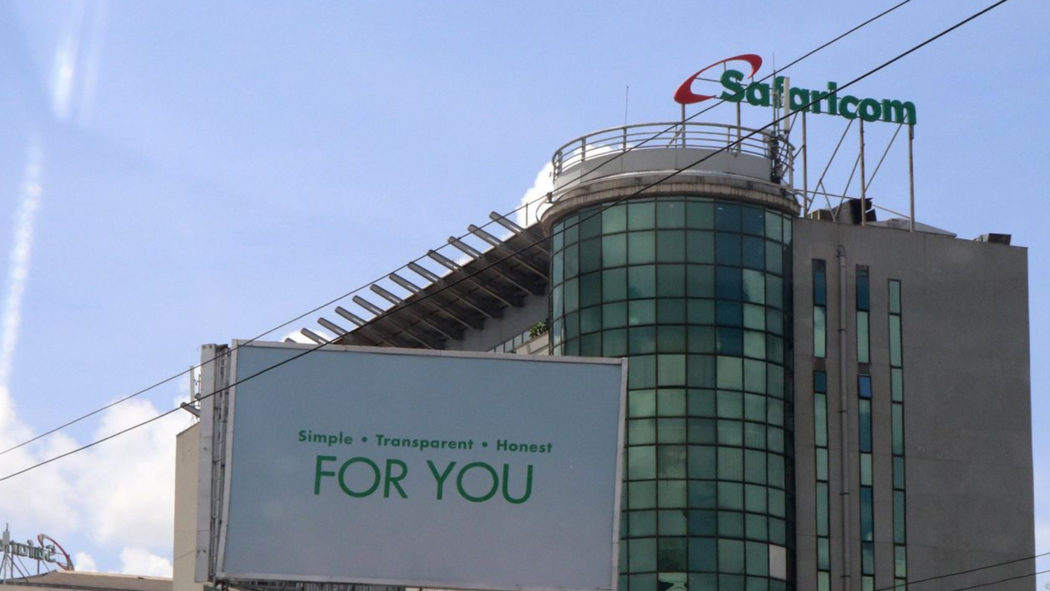
Safaricom Plc recorded a KES 1.7 billion increase in its spending on licences in Kenya during the financial year ending March 2026, following the acquisition of a 25-year extension to its operating licence. The company’s financial disclosures indicate that direct costs related to licence fees rose to KES 16.38 billion from KES 14.66 billion in the previous period. The extension was granted by the Communications Authority of Kenya (CA) under its Unified Licensing Framework, which aligns the operator’s authorization with other regulatory approvals, including spectrum usage rights.
Safaricom Strengthens Future Operations
This long-term approval is expected to reduce uncertainty regarding the company’s future operations, as it replaces an earlier temporary two-year licence. Adil Khawaja, Chairman of Safaricom’s Board of Directors, stated that the new licence provides long-term certainty, strengthens the company’s ability to invest with confidence, and reinforces the platform from which it continues to deliver on its purpose. He further noted that as Safaricom celebrates its first 25 years, it has now secured a licence to operate for the next 25 years under a unified framework from the CA.
Safaricom and Airtel Kenya were previously granted temporary two-year operating licences in late 2024, pending agreements on fees, spectrum allocation, and penalties for service outages. Safaricom did not disclose the amount paid for the 25-year extension when contacted. The regulator has traditionally issued 10-year licences, making this new approval an outlier. It remains unclear whether Airtel Kenya has received a similar extension under the same terms.
The temporary licences were introduced during a regulatory review aimed at shifting from the administrative allocation of spectrum to an auction-based system. Earlier, Safaricom had paid KES 1.63 billion for a two-year operating permit and an additional KES 6 million in related fees. By comparison, Airtel Kenya paid KES 494.2 million plus KES 6 million for its extension to January 2027, with the lower fees reflecting its smaller spectrum allocation. Under the previous regulatory regime, the two operators had jointly paid KES 2.3 billion for 10-year licences.


