


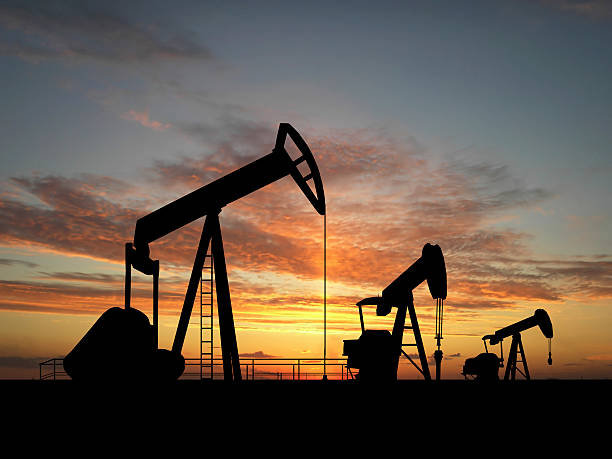
Oil prices recorded a modest increase on Thursday, as investors closely monitored the progress of peace negotiations between the United States and Iran. This upward movement was further supported by persistent supply tightness and indications of inventory drawdowns in the United States. Specifically, Brent crude futures rose by 0.74 percent, reaching USD 105.80 per barrel, while U.S. West Texas Intermediate futures advanced by 0.85 percent, to USD 99.10 per barrel.
The previous trading session had seen both benchmarks drop by more than 5.6 percent to an over-one-week low, following U.S. President Donald Trump’s announcement that negotiations with Iran were in their final stages. However, President Trump also issued a warning of further military action should Tehran fail to agree to a peace deal. In this context, analysts noted on Thursday that the oil market remains excessively sensitive to Iran-related headlines, with participants continuing to place considerable hope on reports of progressing U.S.-Iran talks. They cautioned, however, that similar situations have occurred multiple times before, ultimately leading to disappointment, and forecast that Brent crude would average USD 104 per barrel in the current quarter.
Oil Supply Routes Still Under Threat
In response to the ongoing tensions, Iran has warned against further attacks and announced measures to consolidate its control over the strategically vital Strait of Hormuz. Before the conflict, this waterway carried oil and liquefied natural gas shipments equivalent to approximately 20 percent of global consumption, but it has since been largely closed.
On Wednesday, Iran declared the establishment of a new “Persian Gulf Strait Authority,” which would oversee a “controlled maritime zone” within the Strait. The effective closure of the strait came as a retaliatory measure following U.S. and Israeli attacks that initiated the war on February 28. Although most fighting has ceased since a ceasefire in April, Iran continues to restrict traffic through Hormuz, while the United States has maintained a naval blockade of the Iranian coastline.
The supply losses stemming from the conflict in this key Middle Eastern region have compelled countries to rapidly draw down both commercial and strategic inventories, raising significant concerns over the potential depletion of these reserves. The U.S. Energy Information Administration reported on Wednesday that the country withdrew nearly 10 million barrels of oil from its Strategic Petroleum Reserve last week, marking the largest drawdown on record.
Further underscoring the impact of Middle Eastern supply disruptions, the EIA also released data showing a larger-than-expected decline in U.S. crude oil inventories. According to Mingyu Gao, chief researcher for energy and chemicals at China Futures, this drawdown in oil inventories will make it difficult for prices to remain low. Gao added that with the Strait of Hormuz blocked, global refined-product and onshore crude inventories are expected to fall below their lowest levels for this time of year over the past five years, by late May and late June, respectively.


