


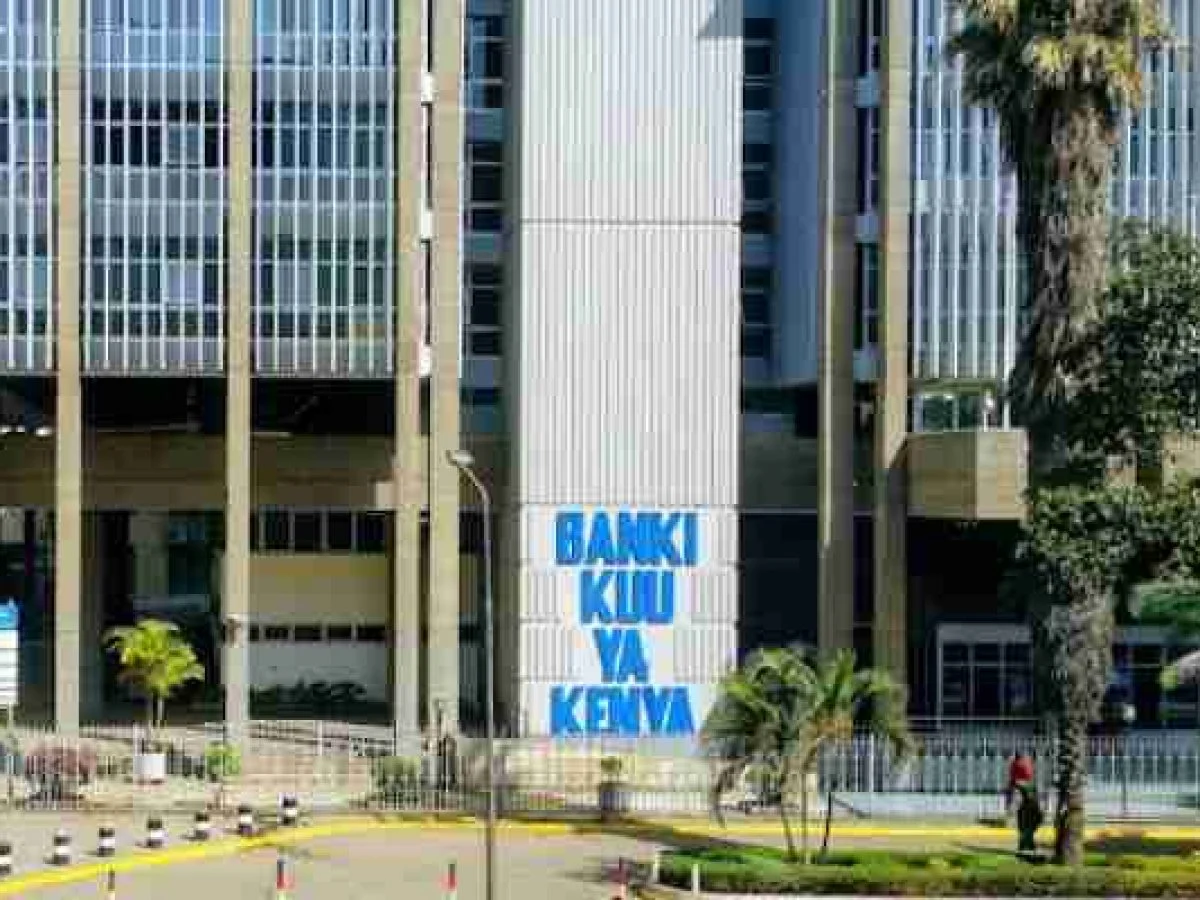
The quality of Kenyan banks’ assets has improved significantly, as the number of default loans dropped for the first time in eight months. This drop in non-performing loans (NPLs), loans in which the borrower has missed principal or interest payments for more than 90 days, gives banks a much needed break and is expected to encourage lending. A report by the Central Bank of Kenya (CBK) reveals that the gross NPLs fell by Sh11.4 billion to Sh720.4 billion in September 2025. This is down from Sh731.8 billion in August. This drop breaks a long-term upward trend that started in January 2024, which could be a sign of a turning point for the industry.
Banks NPL Shift
In November 2024, average lending rates hit an eight-year high of 17.22 percent. A year later, they had dropped to 15.07 percent. This moderation has directly eased the pressure on borrowers in important areas like trade, manufacturing, and real estate, where default rates were previously high. This has allowed them to stabilize their payments. Because of this, the NPL ratio, which is a key measure of the health of the banking sector, has improved significantly. It fell to 16.92 percent in September and then to 16.5 percent by the end of November.

Banks are expected to see an improvement in the assets given the healthier loan book. Their combined pre-tax profit for the first nine months of 2025 rose by 11.8 percent to Sh227.9 billion, thanks to higher interest income and less money set aside for bad debts. Lenders are already seen to increase lending as the balance sheets get stronger and having better confidence in the economy. In November 2025, private sector credit growth jumped to 6.3 percent, the fastest rate in 19 months. This was a big change from the drop in early 2024.
Proactive monetary policy is helping to keep this cycle of fewer defaults and more lending going. The CBK has lowered its benchmark Central Bank Rate for nine straight sessions, bringing it down to 9.0 percent, which is the lowest level it has been at in about three years.
This aggressive easing cycle is meant to boost the economy and is happening at the same time as a planned move to a new loan pricing system based on the Kenya Shilling Overnight Interbank Average (Kesonia). The new model is expected to make it easier for people to understand the policy decisions and make loan prices more clear. This will create a more stable and responsive credit environment that will help the country recover and grow.
Also Read:

110 Digital Credit Providers (DCPs) licensed by the CBK in 2025


