


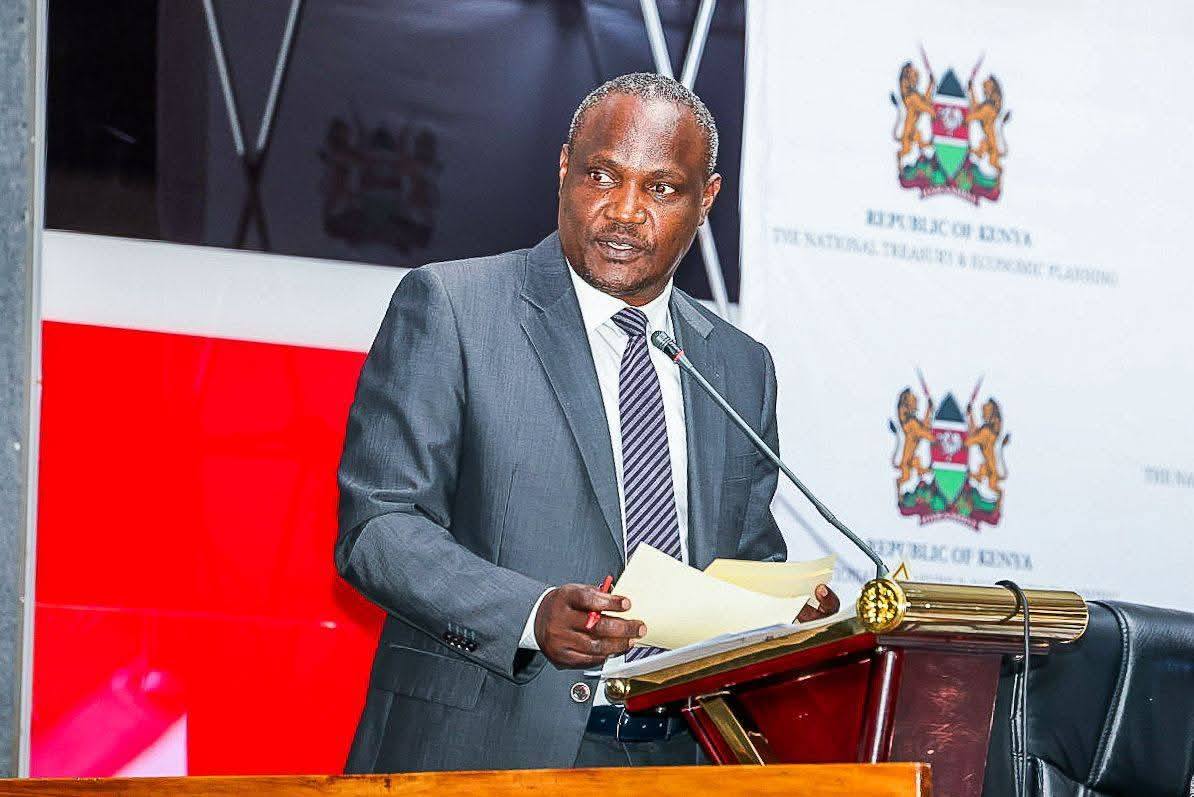
Fitch Ratings issued a rating commentary on Kenya, affirming the country’s long-term foreign-currency issuer default rating at ‘B-‘, outlook Stable. In this rating action, Fitch cited robust foreign exchange reserves in the country, moderation of external liquidity risks, and strong economic growth prospects in the medium term.
Kenya’s stock of foreign exchange reserves closed 2025 at USD 12.4 billion, translating to 5.3 months of import cover, an improvement from USD 9.2 billion recorded at the end of 2024. The accumulation of the reserves was on the back of diaspora remittances, inflows from exports, and receipts from tourism. The dividend from the record-high reserves is partly the driver behind the stability in the exchange rate and has also helped to cut down external funding risks to the country.

Underpinning the rating action by Fitch are also high external financing needs, a large fiscal deficit, and persisting revenue constraints the country faces. External debt service is expected to rise to 3.7% of GDP at the end of FY 2025/2026, moderate to 2.9% of GDP in FY 2026/2027, before climbing to excess of 3% of GDP in FY 2027/2028 – FY 2029/2030. This is expected to keep external financing needs elevated.
The fiscal deficit for FY 2025/2026 has been projected at 5.8% with interest payments and higher social security expenses posing risks to fiscal consolidation in the country. Further, Fitch expects that revenue will fall short in FY 2025/2026, expected to be at 17.2% of GDP which is below the 18.7% of ‘B’ rated peers.
Moody’s Upgrades Kenya’s Ratings to B3 from Caa1
Moody’s Ratings, on the other hand, upgraded Kenya’s Ratings from Caa1 to B3, with the outlook changed from positive to stable. This rating upgrade was informed by the decline in Kenya’s near-term risk of default, higher foreign exchange reserves, a narrower current account deficit, and stability in the exchange rate.

The easing of the balance of payments pressure and reduction of near-term funding risks on account of successful market access in the global markets has improved the country’s external debt maturity profile and bolstered flexibility in funding. Further, the improvement of domestic financing conditions has helped to fund large fiscal needs in the country. The benefit this has accorded to the country is an improved ability to meet large financing requirements domestically while simultaneously cutting down reliance on external disbursements.

Moody’s noted that risks to the outlook include the widening of the fiscal deficit on account of shortfalls in revenue or higher government spend which could result in more debt accumulation and constrained funding.

Also Read: Kenya’s Annual Inflation Eases to 4.4% in January 2026


