


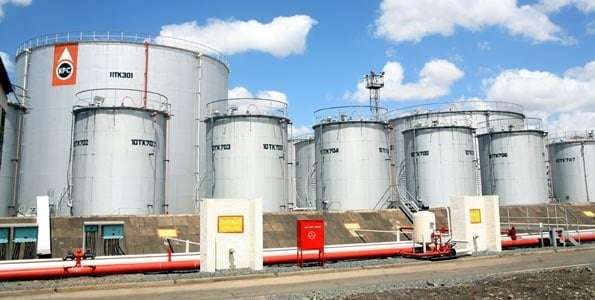
The Kenya Pipeline Company (KPC) is currently facing a growing financial and legal crisis linked to a KES63 billion pipeline contract, a disputed loan arrangement, and multiple legal claims that could significantly impact both public funds and investors.
The issue dates back to July 2014, when KPC awarded a major contract to Zakhem International Construction Limited to construct the Mombasa–Nairobi “Line 5” pipeline. The contract was valued at approximately USD 484.5 million (KES63 billion) and was intended to strengthen Kenya’s fuel transport infrastructure. However, complications arose when it emerged that Zakhem had an existing financing arrangement with Ecobank Nigeria, under which it had pledged its future receivables as collateral for a loan.
In October 2014, Zakhem issued instructions directing KPC to channel 70% of all payments from the pipeline project directly to Ecobank Nigeria. This arrangement effectively tied KPC’s payment obligations to the contractor’s debt commitments. When Zakhem later defaulted on its loan, Ecobank moved to recover its funds by filing a lawsuit in 2018 against both the contractor and KPC, seeking over USD 52 million. This is what pulled KPC directly into the legal dispute, despite not being the original borrower.
The situation has since been further complicated by internal challenges within KPC. In April 2026, the company’s Managing Director, Joe Sang, was arrested alongside other senior officials over allegations of fuel data manipulation. This development has raised additional concerns about governance and oversight, particularly because his tenure overlaps with the period during which the pipeline contract was executed and disputed.
At the same time, a demand letter issued by Ahmednasir Abdullahi Advocates LLP is seeking USD 29.3 million (about KES3.8 billion) from KPC, further increasing the company’s potential financial exposure.
KPC Market performance
These developments come at a critical time for the Kenya Pipeline Company, which recently listed on the Nairobi Securities Exchange (NSE) on March 10, 2026. The company raised approximately KES112.4 billion through its initial public offering and is now among the top 10 most valuable companies on the exchange, with a market capitalization of around KES166 billion.
However, the ongoing legal battles and governance concerns introduce significant risks for investors, including the possibility of reduced dividend payouts, increased share price volatility, and broader uncertainty around the company’s financial stability.

Also read: NSE Achieves 4 Key FTSE Russell Upgrades in Major Market Milestone


