


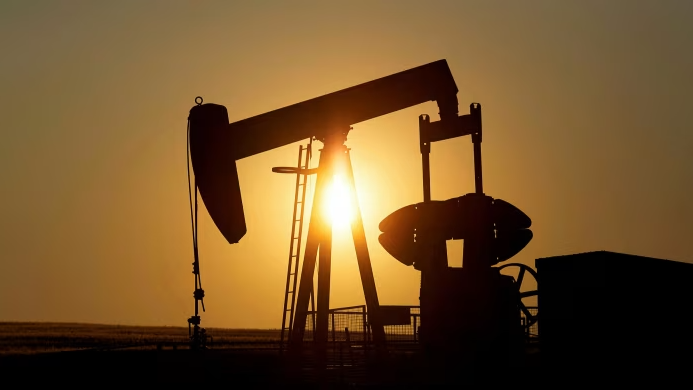
Global oil prices have surged past USD 110 a barrel, accompanied by a sharp downturn in stock markets, as the intensifying conflict between the United States, Israel, and Iran raises serious concerns regarding potential long-term disruptions to shipments through the Strait of Hormuz.
The strait, through which approximately one-fifth of the world’s oil supply passes, has seen traffic grind to a near halt since the commencement of hostilities just over a week ago. The heightened geopolitical tensions have ignited fears among investors and analysts of sustained instability in one of the world’s most critical energy arteries.
The conflict deepened over the weekend with the United States and Israel conducting fresh waves of airstrikes across Iran, targeting multiple sites including key oil depots. Concurrently, Iran announced on Sunday the appointment of Mojtaba Khamenei to succeed his father, Ali Khamenei, as Supreme Leader.
This development signals that, one week into the conflict, the country’s hardline faction remains firmly in control, further complicating the prospects for de-escalation. The combination of military action against energy infrastructure and the consolidation of hardline leadership has amplified market anxieties regarding the stability and duration of the conflict.

Oil Price Variations
The immediate financial repercussions were starkly evident in early trading on Monday. In Asian markets, Brent crude futures climbed nearly 24% to reach USD 114.74 a barrel, while Nymex light sweet crude saw a more than 26% increase, to trade at USD 114.78. This rapid ascent far exceeded analyst predictions that oil would hit the USD 100 mark this week; instead, the price jumped ten percent within a minute of trading opening, followed by another ten percent rise just fifteen minutes later.
The swift and violent reaction underscored a shift from the relative calm of the previous week, during which markets had appeared complacent about the scenario of millions of barrels of crude and liquefied natural gas being effectively trapped in the Gulf.

Looking ahead, the central question for global markets is the trajectory of the conflict and its impact on energy supplies. Some analysts warn that if the closure of the Strait of Hormuz persists until the end of March, oil prices could shatter records, potentially exceeding USD 150 a barrel.
The broader economic implications are significant, because the rise in crude oil prices is expected to inflate the cost of essential derivative products, including jet fuel and vital precursors for fertilizer production, potentially feeding into wider inflationary pressures. While the physical energy supplies from the Gulf are primarily consumed in Asia, the global nature of the market means the shockwaves are being felt worldwide.
Also Read: Africa Trade Barometer 2025 Shows Digital Payments Power nearly 80% of Cross-border Trade


