


Kenya’s energy and transportation sectors are making strategic moves towards cleaner energy, which has brought major developments. This movement is highlighted by the growing interest in converting conventional vehicles to run on liquefied petroleum gas (LPG), a dual-fuel technology aimed at reducing both environmental pollution and operational costs. Mr. Joel Kamau, the CEO of Proto Energy, reported a rising number of motorists, particularly in the commercial sector, seeking to adopt this alternative.
The conversion process involves installing a separate autogas fuel system and tank, enabling vehicles to switch between conventional fuels and LPG. While the initial investment for such a conversion is considerable, the long-term economies in fuel consumption present an attractive offer. After conversion, vehicles maintain their original fuel capability, thereby offering flexibility and reducing daily refueling dependency.
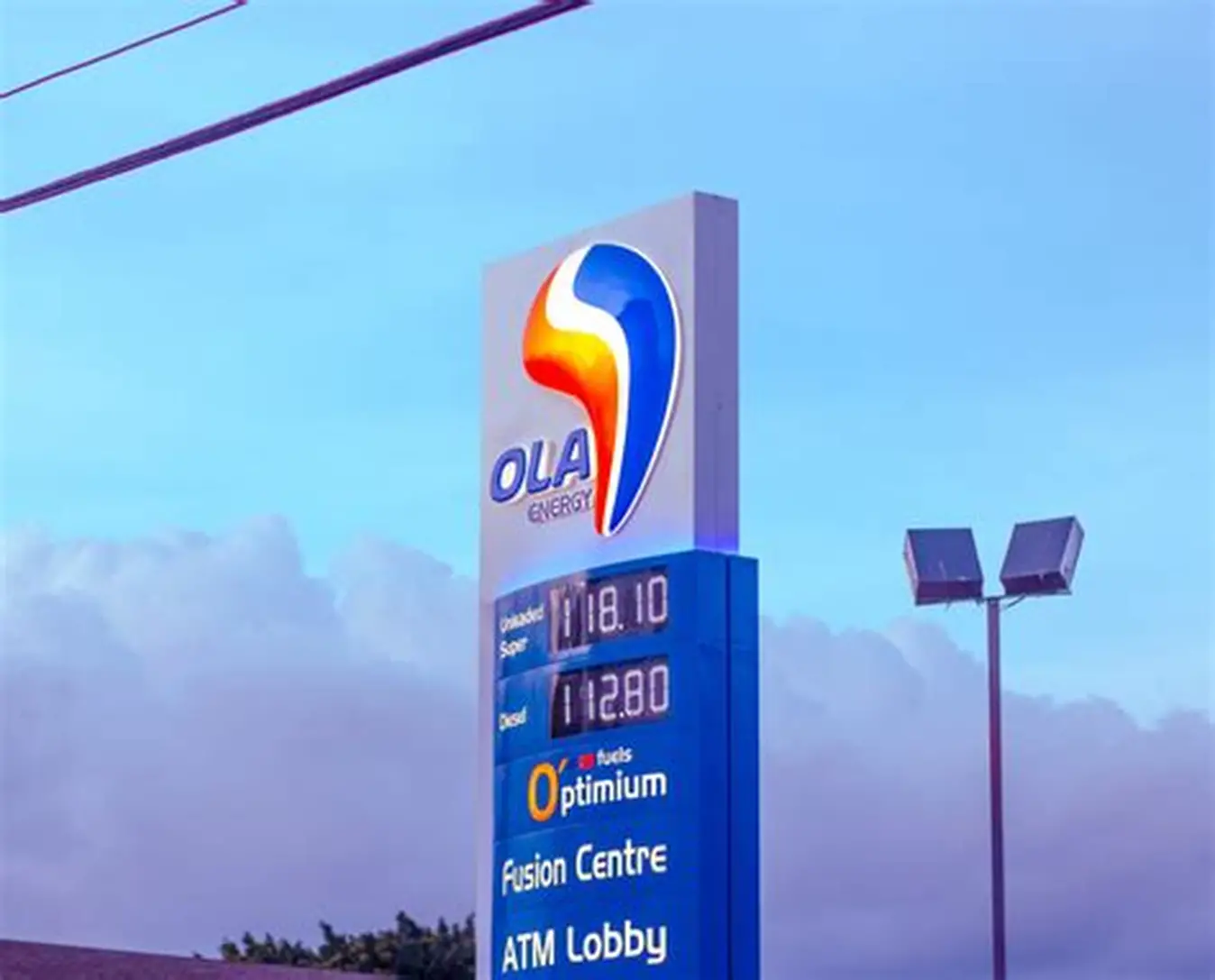
A key driver for the adoption of this technology is strategic partnership. Companies are leveraging established retail networks to overcome one of the primary barriers which is the availability of refueling infrastructure. In line with this, Proto and Ola energy signed a partnership deal that will see autogas pumps installed across all Ola energy stations. This model not only enhances consumer access and convenience but also bolsters the reputation and commercial reach of the adopting firms.
“This partnership with OLA energy allows us to take proto gas closer to the everyday motorist by integrating LPG into a trusted retail environment,” John Kamau – CEO, Proto Energy.
This hybrid approach aims to ensure broad distribution of the technology. The associated infrastructure is evolving to include not only fuel stations but also supportive elements like service hubs and mobile depots, creating a more comprehensive ecosystem for alternative fuel vehicles.
This shift is part of a broader industrial and economic trend, intersecting with fields such as corporate finance and energy policy. The involvement of professionals with expertise in these areas underscores the multifaceted nature of the energy transition, which encompasses regulatory, financial, and technological challenges. As the industry continues to develop, the convergence of technology, strategic partnerships, and evolving infrastructure is positioned to play a critical role in shaping a more sustainable transportation future.
Also Read: EABL PLC Announces Departure of Chief Financial Officer after More than 6 years of Service


