


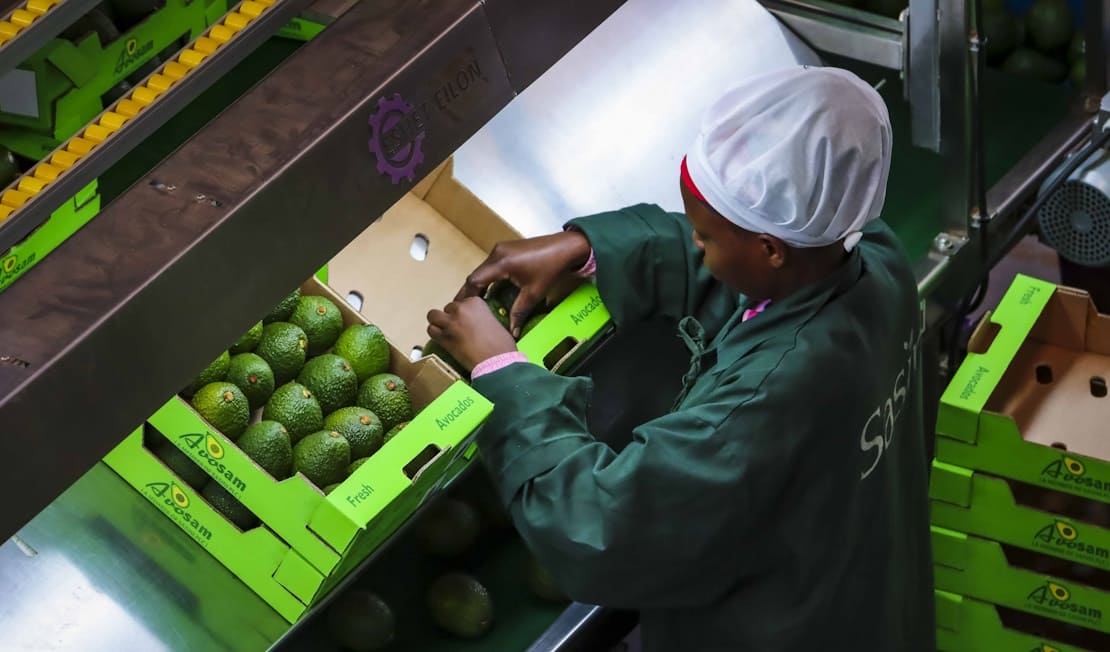
Sasini PLC is seeking to expand its product markets into more Asian countries as it navigates growing challenges in its traditional export destinations in Europe and the United States, amid escalating geopolitical tensions linked to the ongoing conflict in the Middle East.
Sasini PLC currently exports tea, coffee, avocados, and macadamia to markets across Africa, Asia (Japan and Korea), Europe, and North America (Canada and the US). The Nairobi Securities Exchange (NSE)-listed firm is now planning to expand exports of avocados and macadamia to China and India.
“China has come to the table, and we have some programmes that we are working with them on for the new season that is going to open in a few weeks. India has some opportunities that, if we can get our timing right, can also give us chances to grow that business as well.” – Martin Ochieng’ ,Sasini PLC Managing Director.
Geopolitical tensions have disrupted Sasini’s export logistics, particularly to Europe and North America. The conflict in the Middle East has affected shipping through the Red Sea and the Suez Canal, forcing vessels to take longer routes and increasing freight costs. These challenges have added pressure to Sasini’s traditional markets, reinforcing the firm’s push to expand exports to Asia.
Sasini FY 2025 Performance
Sasini Plc recorded an after-tax profit of KES 188 million in the FY 2025 rebounding from a KES 562.9 million net loss in the previous year, supported by a stellar performance in the company’s coffee business, following exceptional price realizations, that offset headwinds in avocado and tea segments.
The Group’s revenue climbed 22.5% to KES 8.44 billion, while the cost of sales jumped 17.9% to KES 7.43 billion from KES 6.3 billion, attributable to macroeconomic challenges and higher logistics costs.

The coffee segment recorded the strongest performance, achieving record profits despite a decline in output in coffee estates due to unfavorable weather conditions. During the review period, coffee prices at the Nairobi Coffee Exchange averaged USD 6.19 per kg compared to USD 4.65 per kg in 2024.

The tea unit faced a prolonged and severe market downturn primarily due to global oversupply from major tea producers. Despite a decline in revenue, the segment cushioned losses through continued use of mechanization and automation, renewable energy contribution, and interest income from cash reserves.
Also Read: Africa Trade Barometer 2025 Shows Digital Payments Power nearly 80% of Cross-border Trade


