


Kenya is facing renewed inflationary pressure following a sharp rise in global oil prices, largely driven by escalating geopolitical tensions in the Middle East. Oil benchmarks surged to four-year highs amid concerns that the deepening conflict between Iran and Israel could disrupt global oil supply chains. The surge in prices has raised fears that Kenya, which heavily depends on imported petroleum products, could soon experience higher inflation through increased fuel and transport costs.
Oil Supply Fears Drive Prices Higher
Recently, global benchmark crude prices surpassed the USD 120 per barrel mark for the first time since mid-2022, reflecting market anxiety over potential supply disruptions. Another major concern among traders is the possibility of a prolonged closure of the Strait of Hormuz, which is a critical shipping route responsible for transporting nearly a fifth of the world’s oil supply, meaning any disruption along this corridor would significantly tighten global oil supply and drive prices even higher.
The geopolitical conflict has intensified in recent weeks, with both Iran and Israel taking firm positions as hostilities persist. Consequently, Iran has also reportedly responded to Israeli attacks by launching strikes on neighboring Gulf states, raising concerns about the stability of oil exports from the region. Such developments have amplified volatility in energy markets, with ripple effects being felt across oil-importing economies such as Kenya.
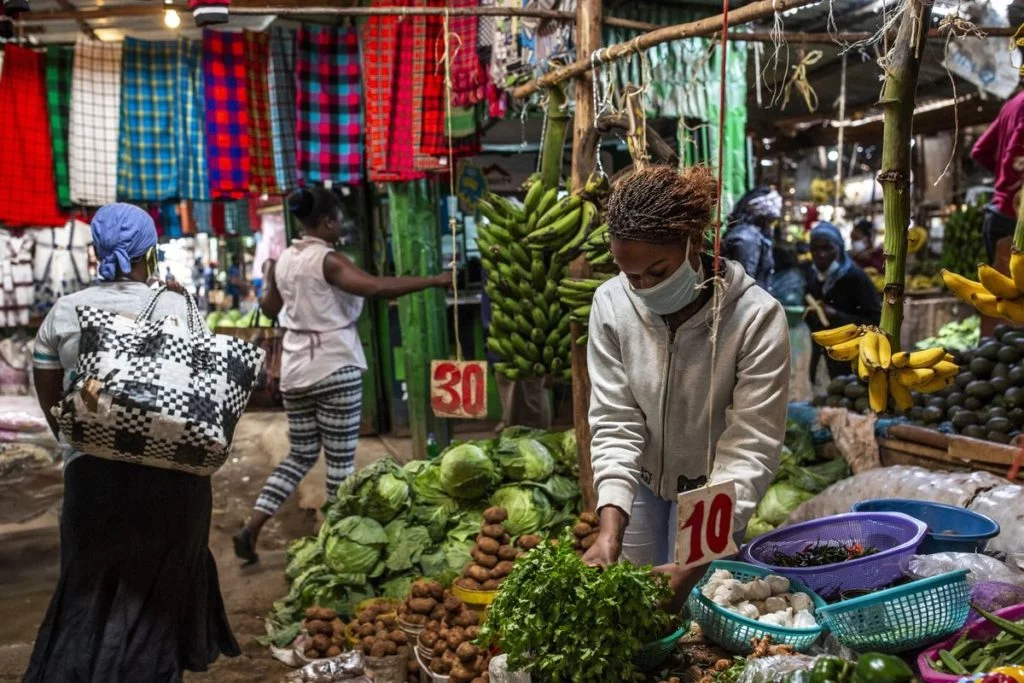
A sharp increase in global oil prices is likely to have widespread economic implications for Kenya. Higher pump prices would not only raise the cost of fuel for motorists but would also increase transportation costs across the economy. This, in turn, could lead to higher prices for essential goods due to the pass-through effect of transport expenses, while electricity costs may also rise because of the thermal power component used in Kenya’s energy mix. These developments could significantly strain household budgets.
Over the past year, Kenya has enjoyed relatively stable inflation, ranging between 3.45 percent and 4.58 percent, with the most recent headline inflation recorded at 4.3 percent in February. Furthermore, inflation has remained below the midpoint of the Central Bank of Kenya’s preferred target range of 5 percent plus or minus 2.5 percentage points since July 2024. The relative stability has been supported in part by a stable exchange rate, with the Kenyan shilling trading around the 129 level against the US dollar during the period. However, analysts now warn that rising global oil prices could reverse these gains by importing inflation into the domestic economy.

In global markets, Murban crude oil from Abu Dhabi National Oil Company (ADNOC) which is a key benchmark for Kenya’s refined petroleum imports, rose sharply by about 17 percent at the opening of trading, reaching USD 120.75 per barrel before easing later in the day to around USD 114 per barrel. Similarly, Brent crude, the global benchmark, surged by approximately 24.5 percent to USD 116.70 per barrel in early trading before retreating to around USD 103 per barrel after finance ministers from the Group of Seven (G7) held discussions on releasing strategic oil reserves to stabilize supply.

Prior to the outbreak of the conflict, oil prices had been relatively moderate. Murban crude was trading at approximately USD 74.24 per barrel while Brent crude stood at around USD 73.21 per barrel before the first strikes on Tehran on February 28. The earlier lower prices had helped support a reduction in Kenya’s domestic fuel prices during the last review on February 14.
During that review, the maximum price of super petrol in Nairobi was reduced by KES 4.24 per litre to KES 178.25, while diesel prices fell by KES 3.93 to KES 166.54 per litre. Kerosene prices were also lowered by Sh1 per litre to Sh152.80. However, the recent spike in global oil prices now threatens to reverse these gains if the geopolitical tensions persist.
Overall, the sharp increase in global crude oil prices highlights the vulnerability of oil-importing economies such as Kenya to external shocks. If the current geopolitical tensions continue to disrupt global energy markets, Kenya could face renewed inflationary pressure, potentially forcing policymakers to reconsider their current monetary policy stance and slowing the pace of economic relief for households and business


