


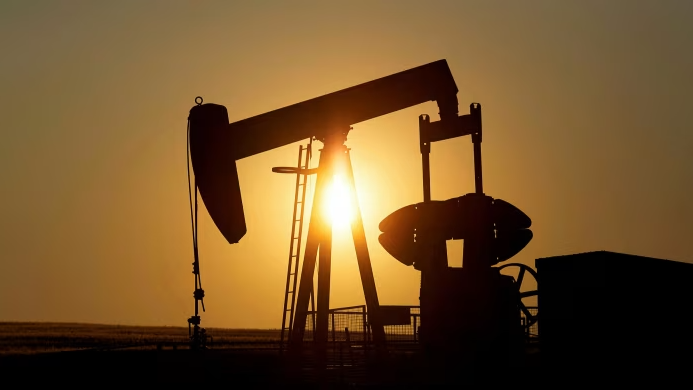
In early Asian trading on Tuesday, 14th April 2026, oil prices declined following indications that the United States and Iran may be open to dialogue aimed at resolving their ongoing conflict, which in turn alleviated concerns regarding potential supply disruptions stemming from the U.S. blockade of the Strait of Hormuz.
Specifically, Brent crude futures fell by USD 1.8, to USD 97.50 per barrel, while West Texas Intermediate (WTI) crude dropped by USD 2.25, to USD 96.83. This downturn followed a previous session in which both benchmarks had risen sharply, Brent by more than 4 percent and WTI by nearly 3 percent, after the U.S. military initiated a blockade of Iranian ports.

Oil Markets React
On Monday, the U.S. military announced that its blockade of the Strait of Hormuz would extend eastward into the Gulf of Oman and the Arabian Sea. Concurrently, ship‑tracking data revealed that two vessels had reversed course within the strait as the blockade took effect. In response, Iran threatened to target ports in nations bordering the Gulf, following the collapse of weekend talks in Islamabad that had been aimed at resolving the crisis.
Despite the failure of those peace negotiations, U.S. President Donald Trump has managed to temper oil price increases by suggesting the possibility of a future agreement, according to oil market analyst. Sources familiar with the discussions confirmed that dialogue between Iran and the U.S. remains viable, while Pakistani Prime Minister Shehbaz Sharif affirmed ongoing efforts to de‑escalate tensions. Trump himself stated on Monday that Iran “wants to make a deal.”
Analysts estimate that approximately 10 million barrels per day of crude supply have effectively been removed from the market. A report by OPEC indicated that the group’s output fell by 7.9 million barrels per day in March, largely on account of the shutdown of the Strait of Hormuz. They further cautioned that a prolonged U.S. blockade could eliminate an additional 3 to 4 million barrels per day of crude oil shipments. In a client note, it was observed that the oil market no longer requires a worst‑case escalation to justify higher price levels, as tight supply balances alone are sufficient to sustain Brent prices near or above recent thresholds.
Meanwhile, NATO allies including Britain and France have refrained from joining the blockade, instead advocating for the swift reopening of the vital waterway. U.S. Energy Secretary Chris Wright suggested that oil prices could peak within the next few weeks once shipping resumes through the Strait of Hormuz. Finally, the International Monetary Fund, the World Bank, and the International Energy Agency jointly urged nations to avoid hoarding energy supplies or imposing export restrictions, describing the current situation as the most significant shock ever experienced by the global energy market.

Also Read: Dangote Plans Cross-Border IPO in Bold Move to Deepen African Markets


