


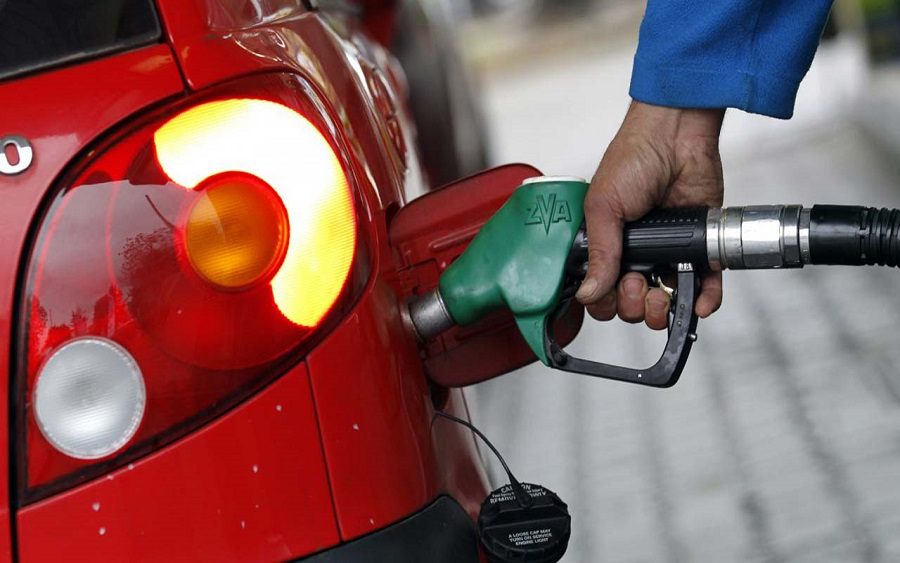
Kenya fuel prices have broken through the KES 200 markfor the first time since the December/January 2024 fuel cycle after the Energy and Petroleum Regulatory Authority (EPRA) announced the steepest single-cycle price increase in recent times on Tuesday, 14 April 2026. Effective midnight 15th April 2026, super petrol costs KES 206.97 per litre in Nairobi, up KES 28.69, while diesel jumped a sharper KES 40.30 to KES 206.84 per litre. Kerosene prices remain unchanged.
The new Kenya fuel prices will remain in effect from 15 April to 14 May 2026, in accordance with EPRA’s monthly review mandate under Section 101(y) of the Petroleum Act 2019 and Legal Notice No. 192 of 2022. The revision comes after EPRA held prices flat in the preceding March/April 2026 cycle, a stability that, as industry analysts had warned, was borrowed time given surging global landed costs.
The government cut VAT on all petroleum products from 16% to 13% via Legal Notice No.69, gazetted on 14 April 2026. Additionally, approximately KES 6.2 billion from the Petroleum Development Levy (PDL) Fund was deployed to stabilize Kenya’s fuel prices. The government also excluded a controversial 60,000-metric-tonne consignment imported by One Petroleum via the MT Paloma from the price computation.
Fuel Prices across Towns in Apr/May 2026
The table below covers the effective prices of fuel across major towns in Kenya as published by EPRA. Prices are the maximum retail prices per litre inclusive of VAT (now 13%), excise duty, and distribution margins.
| TOWN / REGION | SUPER PETROL | DIESEL (AGO) | KEROSENE (IK) |
|---|---|---|---|
| Nairobi | 206.97 | 206.84 | 152.78 |
| Mombasa | 203.69 | 203.56 | 149.49 |
| Kisumu | 209.00 | 208.87 | 154.81 |
| Nakuru | 209.00 | 208.00 | — |
| Eldoret | 209.00 | 208.50 | 154.50 |
| Nyeri | 208.98 | 208.85 | 154.78 |
| Embu | 208.50 | 208.38 | 154.31 |
| Meru | 209.00 | 208.00 | 155.00 |
| Kitui | 209.24 | 209.12 | 155.05 |
| Mwingi | 209.92 | 209.79 | 155.72 |
| Lamu | 209.02 | 208.91 | 154.84 |
| Hola | 209.51 | 209.39 | 155.33 |
Source: EPRA, April 14, 2026. Prices in KES per litre inclusive of 13% VAT, excise duty, and Petroleum Development Levy contribution.
Kenya imports 100% of its refined petroleum products. That makes domestic pump prices a direct function of three key variables: global oil market prices, the Kenya shilling–US dollar exchange rate and taxes. Global oil market prices moved against consumers in the April/May 2026 as a result of the volatility in international oil prices resulting from the U.S.-Israel/Iran conflict.
The primary trigger for the Kenya fuel prices hike was a dramatic escalation of geopolitical tensions in the Middle East, including disruptions around the Strait of Hormuz, one of the world’s most critical oil transit chokepoints. Brent crude surged above $100 per barrel, tanker insurance premiums spiked, and alternative shipping routes lengthened transit times and costs. All of these costs ultimately flow into Kenya’s import bill.

The average landed cost of super petrol surged 41.53% between February and March 2026, from US$582.11 (approximately KES 75,267) per cubic metre to US$823.87 (approximately KES 106,526). Diesel was even more punishing, climbing 68.72% from US$636.45 to US$1,073.82 per cubic metre. Kerosene posted the most eye-watering jump of all, up 105.15%, but was shielded from a pump price increase by government support.

Compounding the global shock, the Kenyan shilling averaged KES 130.08 against the US dollar in March 2026, a slight weakening that amplified the in-shilling cost of already expensive dollar-denominated cargoes. EPRA’s pricing formula applies the prevailing exchange rate at cargo discharge, meaning shilling movements are captured in real time.
EPRA held Kenya fuel prices unchanged in the March–April cycle because the cargoes included in that computation had been sourced and priced in February, before the full escalation of global tensions. As EPRA noted, “most of these vessels are February-priced cargoes, and the effect of the situation in the Middle East has not had an effect on the prices yet.” The April–May prices reflect the first full cycle to capture the post-escalation reality.


