


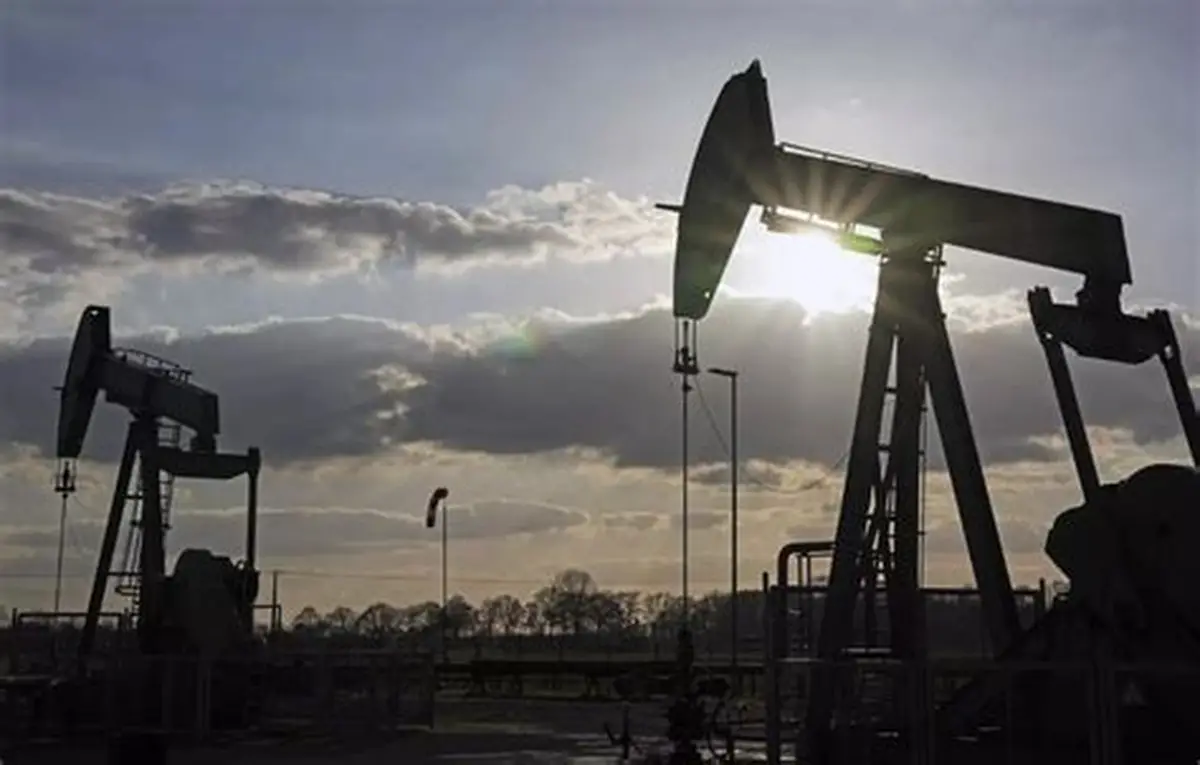
On Monday, oil prices declined amid volatile trading as market participants weighed an announcement by U.S. President Donald Trump to “free” vessels stranded by the closure of the Strait of Hormuz, set against the backdrop of persistent tensions between Tehran and Washington. The international benchmark, Brent crude futures, fell by 0.35 percent to USD 107.77 per barrel, while the U.S. West Texas Intermediate futures dropped 0.57 percent to USD 101.31 per barrel.
The Strait of Hormuz, which is a critical energy corridor through which approximately one-fifth of the world’s energy supplies transited prior to the recent conflict, remains blockaded, bringing traffic through the waterway to a near halt. Reinforcing the perilous conditions for maritime navigation in the Middle East, the United Kingdom Maritime Trade Operations agency reported on Monday that a tanker was struck by projectiles north of Fujairah in the United Arab Emirates.
In a post on Sunday, President Trump announced that the United States would initiate efforts to “free” cargo ships stranded since the onset of the Iran war. This operation, designated “Project Freedom,” is primarily focused on extricating civilian vessels flagged by countries not involved in the conflict, enabling them to resume their commercial activities freely and efficiently. The project was scheduled to commence on Monday. The U.S. Central Command subsequently detailed that American military support for Project Freedom would include guided-missile destroyers, over 100 land- and sea-based aircraft, multi-domain unmanned platforms, and 15,000 service members.
Elevated Oil Prices Threaten Global Economy
Concurrently, traders are also assessing the recent decision by the Organization of the Petroleum Exporting Countries and its allies (OPEC+) to increase oil output by 188,000 barrels per day, marking the cartel’s first meeting since the departure of its key member, the United Arab Emirates. Against this backdrop of elevated oil prices, Gaurav Ganguly, Head of International Economics at Moody’s Analytics, warned about the potential global economic repercussions of a protracted Middle Eastern conflict. He stated that sustained price levels, such as Brent crude remaining at USD 125 per barrel over an extended period, could tip the global economy into a recession.


