


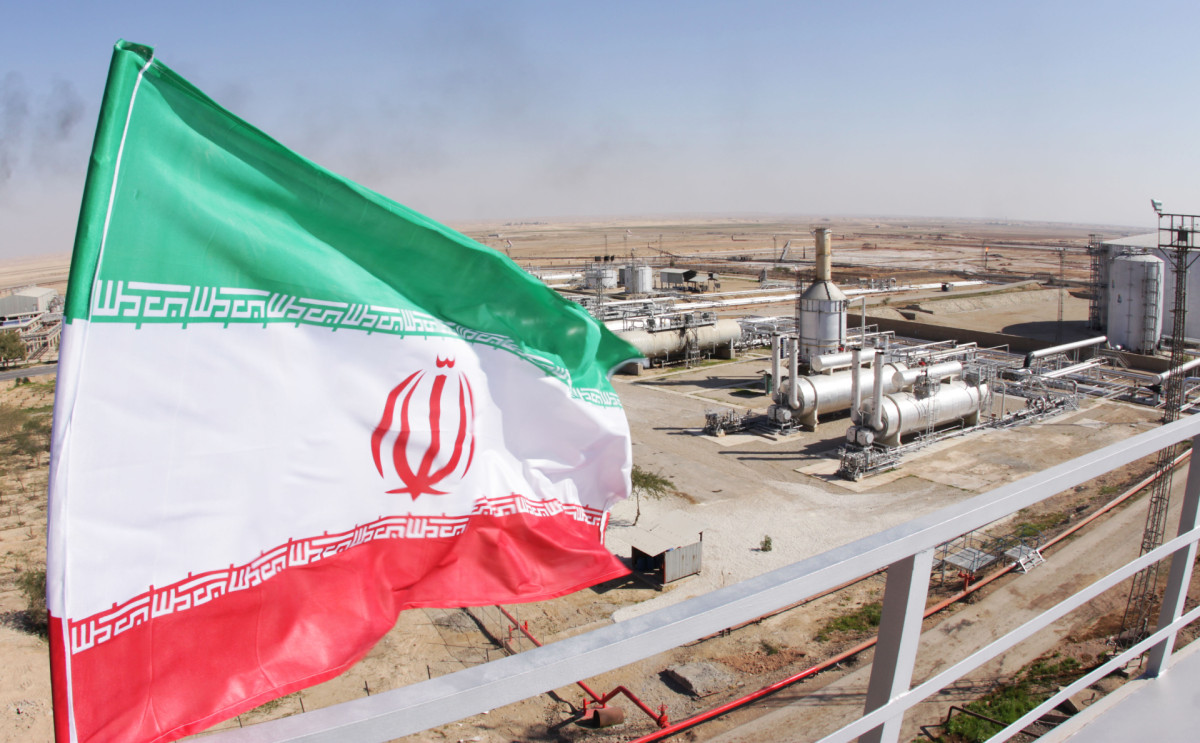
Global oil prices slipped on Tuesday, June 9, 2026, as easing geopolitical tensions weighed on risk premiums. West Texas Intermediate (WTI) crude extended Monday’s sharp retracement from the mid‑$93.00s, trading near $88.75 per barrel, down over 1% intraday. Brent crude also eased, hovering around $93.5–94.1 per barrel, reflecting softer demand and reduced geopolitical risk after Iran and Israel temporarily halted direct attacks.
Oil prices are consolidating after sharp swings, but the fragile ceasefire in the Middle East, Russian export cuts, and tight refined product supply suggest volatility will persist through June.
The fragile ceasefire, however, has not eliminated underlying risks. Iran warned it could resume hostilities if Israel continues strikes in Lebanon, while tensions over Tehran’s nuclear program and the strategic Strait of Hormuz remain unresolved. These factors continue to support a geopolitical risk premium, limiting deeper losses in both WTI and Brent benchmarks.
Global Oil Prices – Technical Front
From a technical perspective, WTI retains a bearish bias below the 200‑period SMA at $95.25 on the 4‑hour chart. The MACD remains below zero, reinforcing downside momentum, while the RSI at 42 signals weak demand rather than oversold conditions. Immediate support lies at $86.50–$86.00, with a break lower exposing prices to sub‑$81.00, near April’s swing low. Brent crude, meanwhile, has fallen about 10% over the past month, though it remains nearly 40% higher year‑on‑year, underscoring the market’s volatility.

Traders on oil prices remain cautious as WTI faces downside risk toward $86.00, while Brent is likely to consolidate around $93–95 unless geopolitical tensions flare again. Market participants will closely monitor progress in Iran–Israel ceasefire talks, OPEC+ supply adjustments, Russia’s export cuts, and developments around the Strait of Hormuz, which handles nearly 21% of global oil trade.
Also Read: Oil Slumps to a Two-Week Low as US and Iran Report Progress on Peace Talks


