


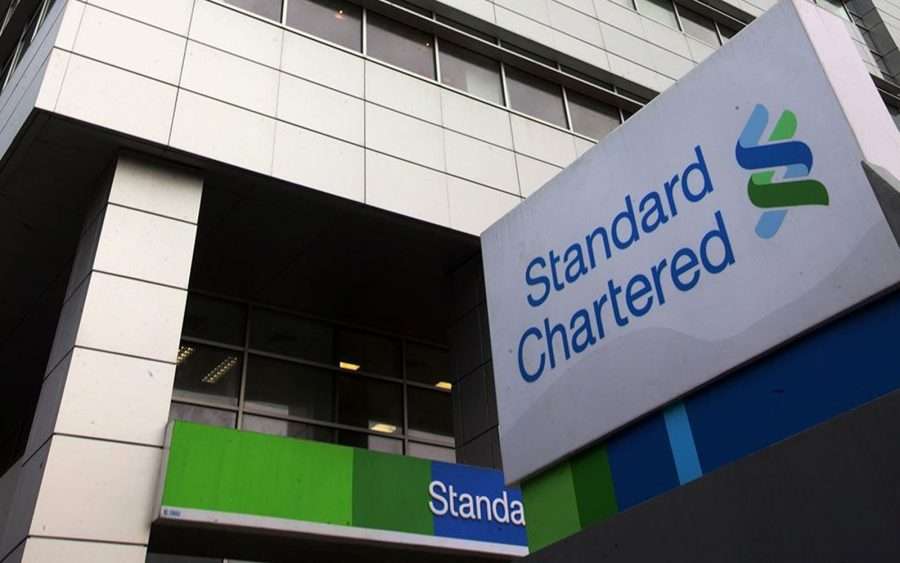
Standard Chartered Bank Kenya has intensified its multi-year reorganization, combining the sale of its headquarters with a continued reduction of its physical workforce. According to the bank’s financial disclosures for the period ending December 31, 2025, these moves are part of a broader digital thinning strategy as the lender pivots toward wealth management and high-value corporate lending.
The Chiromo building property was held for sale in June 2025. This property transfer significantly boosted the bank’s non-current assets held for sale to KES 1.411 billion, up from KES 215 million in 2024.
The bank also confirmed the successful completion of several other real estate exits. The bank realized KES 215.28 million from assets sold during the year. The sale of the Treasury Square in Mombasa and Nyeri branches was also finalized in 2025. This continues a trend that has seen the bank’s branch network shrink from 42 locations in 2016 to fewer than 25 in 2025.
Standard Chartered Workforce Reduction: 11 Years of Digital Thinning
Alongside its real estate exits, Standard Chartered has further reduced its headcount, which has now more than halved from a peak of 2,048 in 2014. For the first time, the bank’s workforce has fallen below 1,000, ending 2025 with 942 employees, down from 1,001 a year earlier.
The bank spent KES 112.27 million on redundancy costs during the latest financial year. While significant, this represents a sharp deceleration from the KES 580.1 million spent on layoffs in 2024.
Despite the reduction in total staff, overall staff costs rose to KES 11.4 billion in 2025. This suggests the bank is prioritizing the retention of a smaller, more specialized workforce in areas such as technology, risk, and relationship management for affluent clients.
These structural changes coincide with high-level shifts in the bank’s executive team, most notably the resignation of Chief Financial Officer (CFO) Chemutai Murgor in February 2026. Murgor’s departure follows a tenure defined by the bank’s transition into digital-first service delivery.

While Standard Chartered is scaling back its physical presence in Kenya, it remains a dominant force in regional infrastructure. The bank recently served as the sole global coordinator and mandated lead arranger for a milestone USD 2.33 billion syndicated financing package for Tanzania’s Standard Gauge Railway (SGR). This trend has positioned Kenya more as a base for capital extraction rather than a primary beneficiary, highlighting the challenges it faces in retaining long-term value and tangible economic presence.


