


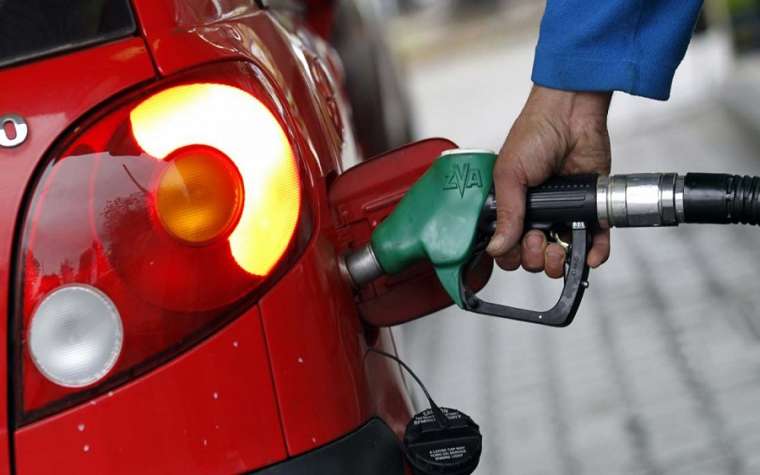
The government-to-government (G2G) fuel import arrangement in 2023 initiative was presented as a solution that would stabilize fuel supply, ease pressure on foreign exchange demand, and shield the country from extreme global oil price volatility. Yet three years later, motorists and households are grappling with sharply elevated pump prices while concerns over fuel quality continue to grow.
The combination of higher costs and a relaxation of fuel quality standards is now raising questions over whether the G2G framework is delivering on its original promise. EPRA recently raised fuel prices significantly, with Nairobi motorists now paying about KES 214.25 per litre for petrol and KES 242.92 for diesel under the latest review cycle, intensifying pressure on consumers and businesses alike
The Ministry of Trade recently issued a temporary waiver that raised the sulphur ceiling for petrol and diesel from 10mg/kg to 50mg/kg a five-fold increase. In simple terms, this means fuel now contains more sulphur, a naturally occurring element in crude oil that produces harmful emissions when burned. This shift has severe implications for both the environment and vehicle health. Modern engines are designed for low-sulphur fuel. Higher sulphur levels poison emission control systems, including catalytic converters and Diesel Particulate Filters (DPFs).
In addition, burning higher-sulphur fuel increases urban air pollution, specifically PM2.5 and sulphur dioxide. These pollutants are known to trigger asthma attacks and contribute to respiratory diseases, effectively rolling back years of progress toward cleaner air. Critics argue that if the G2G deal were working as advertised, such a regulatory rollback would not be necessary to secure supply.
Despite the G2G arrangement’s goal of leveraging bulk sovereign procurement on 180-day credit, several factors continue to drive costs upward. Geopolitical tensions in the Middle East, particularly around the Strait of Hormuz, have caused global landed costs to skyrocket. The landed cost of diesel alone jumped nearly 69% between February and March 2026.
Rising tanker insurance premiums and longer transit times have added significant overhead to the final pump price. Also, scandals involving substandard cargoes, such as the MT Paloma, have raised concerns about quality control and mismanagement within the G2G framework.
The failure to contain fuel prices has sent shockwaves through the broader economy. Transport costs have soared, leading to a nationwide transport strike on May 18, 2026, which left thousands of commuters stranded and paralyzed across the country.

The ripple effects will extend far beyond the petrol station, higher fuel costs directly impact food prices, manufacturing, and electricity generation. Inflation reached a two-year high of 5.6% in April 2026.Families are facing a sharp increase in the cost of living, with schools even being forced to postpone classes due to transport paralysis.
Has the G2G Arrangement Delivered?
While government officials argue that G2G has prevented even higher price peaks, the current reality for Kenyans is bleak. Citizens are paying the highest prices in East Africa while being asked to accept fuel that could damage their vehicles and their health.
As transport strikes paralyze the nation and engines begin to feel the cumulative toll of high-sulphur fuel, the central question remains: if consumers are paying record prices for lower-quality fuel, has the G2G arrangement actually fulfilled its promise of stability and protection, or has it simply become a mechanism for managing a failing system?
Also read: NSE Weekly Review: Market Retreats as Equity Turnover Falls 29%


