


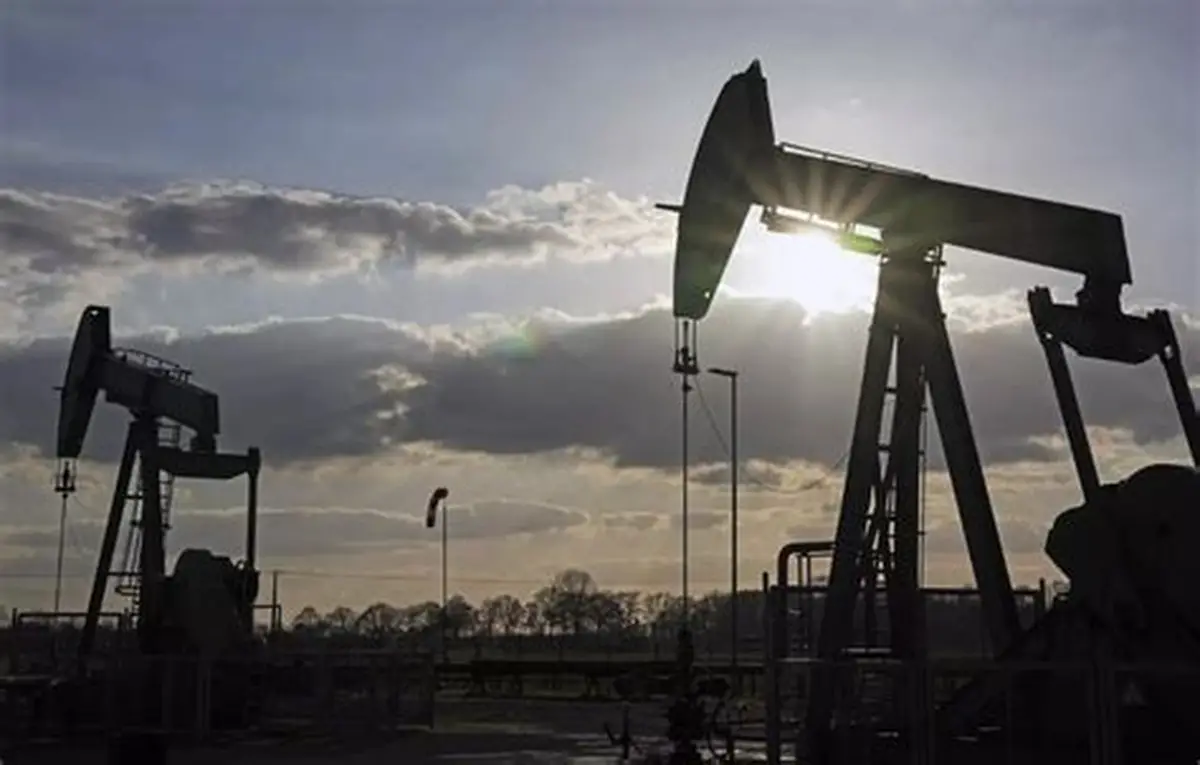
Oil prices declined on Wednesday after recording gains over the previous three trading sessions, as investors closely monitored the fragile ceasefire involving Iran while awaiting the outcome of a high-level meeting between U.S. President Donald Trump and Chinese President Xi Jinping in Beijing. Energy market sentiment remained cautious amid persistent geopolitical tensions in the Middle East and uncertainty surrounding the stability of global energy supplies.
Oil Prices Remain Above USD 100 Per Barrel
Brent crude futures fell by 0.76%, to trade at USD 106.95 per barrel, while U.S. West Texas Intermediate crude futures declined by 0.65%, to USD 101.52 per barrel during early trading hours. Despite the latest decline, oil prices have largely remained around or above the USD 100 per barrel threshold since the United States and Israel launched attacks on Iran at the end of February, prompting Tehran to effectively shut the strategically vital Strait of Hormuz.
The Strait of Hormuz has remained at the center of global energy concerns. Earlier in the week, oil prices had surged by more than 3% as hopes for a durable ceasefire between the United States and Iran weakened, reducing expectations for the reopening of the waterway and heightening fears of prolonged supply disruptions.
President Trump stated on Tuesday that he did not believe China’s assistance would be necessary in ending the conflict with Iran, despite growing concerns that prospects for a lasting peace agreement were diminishing. At the same time, Iran continued to strengthen its control over the Strait of Hormuz, further intensifying worries in global energy markets. Trump is expected to meet President Xi in Beijing on Thursday and Friday, with discussions likely to include geopolitical tensions and energy security concerns. China remains the largest purchaser of Iranian oil despite sustained pressure and sanctions from the U.S. administration.
Analysts noted that the prolonged nature of the disruption and the scale of supply losses, estimated to have already exceeded one billion barrels, are expected to keep oil prices elevated above USD 80 per barrel for the remainder of the year. The sustained rise in energy prices has also begun to weigh heavily on the global economy, particularly in the United States, where higher fuel costs are contributing to broader inflationary pressures.


