


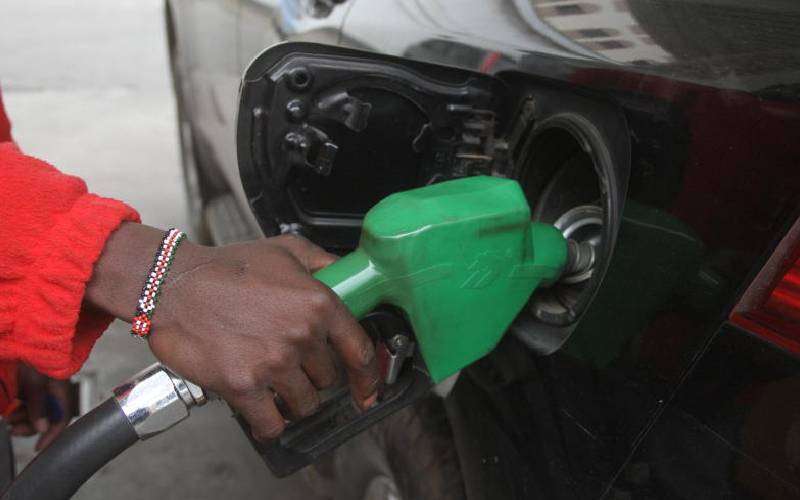
The Energy and Petroleum Regulatory Authority (EPRA) has announced a significant increase in fuel prices for the monthly pricing cycle commencing May 15 and concluding June 14, 2026. According to the latest review, the maximum retail prices for Super Petrol and diesel will rise by KES 16.65 and KES 46.29 per litre, respectively. In contrast, the price of kerosene will remain unchanged during this period.
This upward adjustment reverses the previous month’s price reductions, which had seen motorists benefit from lower pump prices following a revision of the Value Added Tax (VAT) from 13 percent to eight percent, as outlined in Legal Notice No. 70 dated April 15, 2026. During that prior cycle, Super Petrol retailed at KES197.60 per litre in Nairobi, while diesel sold at KES 196.63, reflecting reductions of KES 9.37 and KES 10.21, respectively.
EPRA Attributes Fuel Price Hike to 20% Hike in Landed Cost
EPRA attributed the current price hike primarily to a sharp rise in global petroleum prices and higher landed costs of imported fuel products. Data from EPRA revealed that the average landed cost of imported Super Petrol rose by 10 percent, from USD 823.27 per cubic metre in March 2026 to USD 906.23 in April 2026. Diesel recorded an even steeper increase of 20.32 percent, climbing from USD 1,073.82 to USD 1,291.98 per cubic metre over the same period.
The landed cost of kerosene also increased marginally by 1.59 percent, from USD 1,311.93 to USD1,332.73 per cubic metre. EPRA noted that international petroleum products are traded in United States dollars, making them susceptible to fluctuations in global oil markets and foreign exchange rates. The published prices are inclusive of VAT, in accordance with the VAT Act, the Finance Act, and revised excise duty rates.
The latest review by EPRA, signals renewed pressure on consumers and businesses, particularly in the transport and manufacturing sectors, which rely heavily on diesel. Fuel prices in Kenya directly affect transport costs, electricity generation, food prices, and the overall cost of goods and services across the economy.
In an effort to mitigate the impact, EPRA stated that the government will allocate approximately KES 5 billion from the Petroleum Development Levy Fund to subsidise diesel and kerosene prices, thereby cushioning consumers from further increases. This adjustment occurs amid continued volatility in international oil markets and growing concerns over the rising cost of living. EPRA maintained that its pricing model is designed to ensure the recovery of importation costs while balancing consumer protection.


