


Kenya Power (KPLC) has announced a financial milestone in the country’s transition toward sustainable transport, reporting cumulative revenues of KES 382 million from the electric vehicle (EV) charging sector over a 34-month period. This growth, recorded between July 2023 and April 2026, signaling that e-mobility is slowly moving beyond the small-scale pilot projects in Kenya.
This revenue surge is underpinned by a massive increase in actual electricity consumption. In July 2023, the sector consumed only 13,500 kWh, by April 2026, that figure had grown to more than 1.5 million kWh per month. An operational milestone was reached in November 2025, when the E-Mobility sector first crossed the one million kWh mark for electricity sold in a single month, a level that has been maintained ever since.
Nairobi remains the dominant hub for the e-mobility revolution, accounting for 71% of the cumulative revenue at KES 271.9 million. However, Kenya Power Managing Director and CEO, Dr. (Eng.) Joseph Siror, noted that the opportunity is truly national. Other regions are beginning to demonstrate steady uptake, Coast Region with a revenue of KES 55 million, Northeastern KES 35 million and West Kenya at KES 11.5 million.
The surge in energy demand aligns with data from the Electric Mobility Association of Kenya (EMAK), which shows that over 35,000 EVs were registered in the country by the end of 2025. This represents an increase from the 796 units registered just three years ago. While two-wheelers currently dominate the market, the adoption of electric cars and buses is expected to scale significantly by 2030.
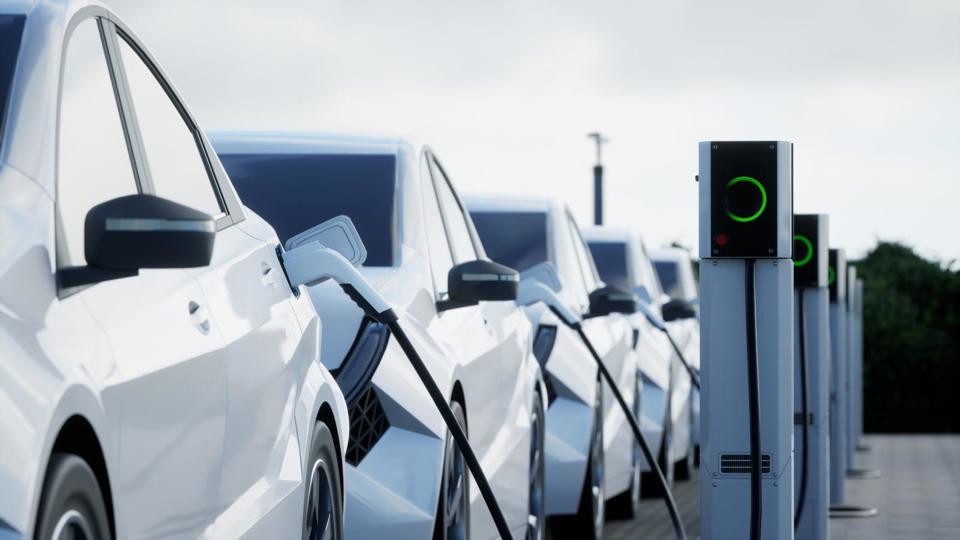
To support this growing fleet, KPLC has already installed charging stations at sites including Stima Plaza, Donholm, and Ruaraka in Nairobi, with new stations being launched in Voi and Nyali to facilitate long-distance travel and reduce “range anxiety”.
KPLC Strategic Future and Policy Support
Dr. Siror emphasized that e-mobility is key to the company’s green goal, noting that over 90% of the energy KPLC procures comes from renewable sources. The government has supported this shift through several incentives, including:
- The introduction of a specialized e-mobility electricity tariff (KES 16 per unit during peak hours and KES 8 off-peak).
- Zero-rating VAT on EVs and lithium-ion batteries.
- Eliminating excise duty on electric bicycles and buses.
As part of its own commitment, KPLC is entrenching sustainable transport within its operations by rolling out electric bicycles for meter readers in Nakuru and Mombasa Island.

KPLC is now setting the stage for the 4th Annual Kenya Power E-Mobility Stakeholders’ Conference and Expo, scheduled for June 4–5, 2026, at the KICC in Nairobi. The event will bring together over 1,000 industry players to discuss infrastructure expansion and policy directions aimed at further scaling the electric mobility ecosystem across East Africa.
Also read: Oil Prices Flat as Supply Tightens Amid US-Iran Peace Talks


