


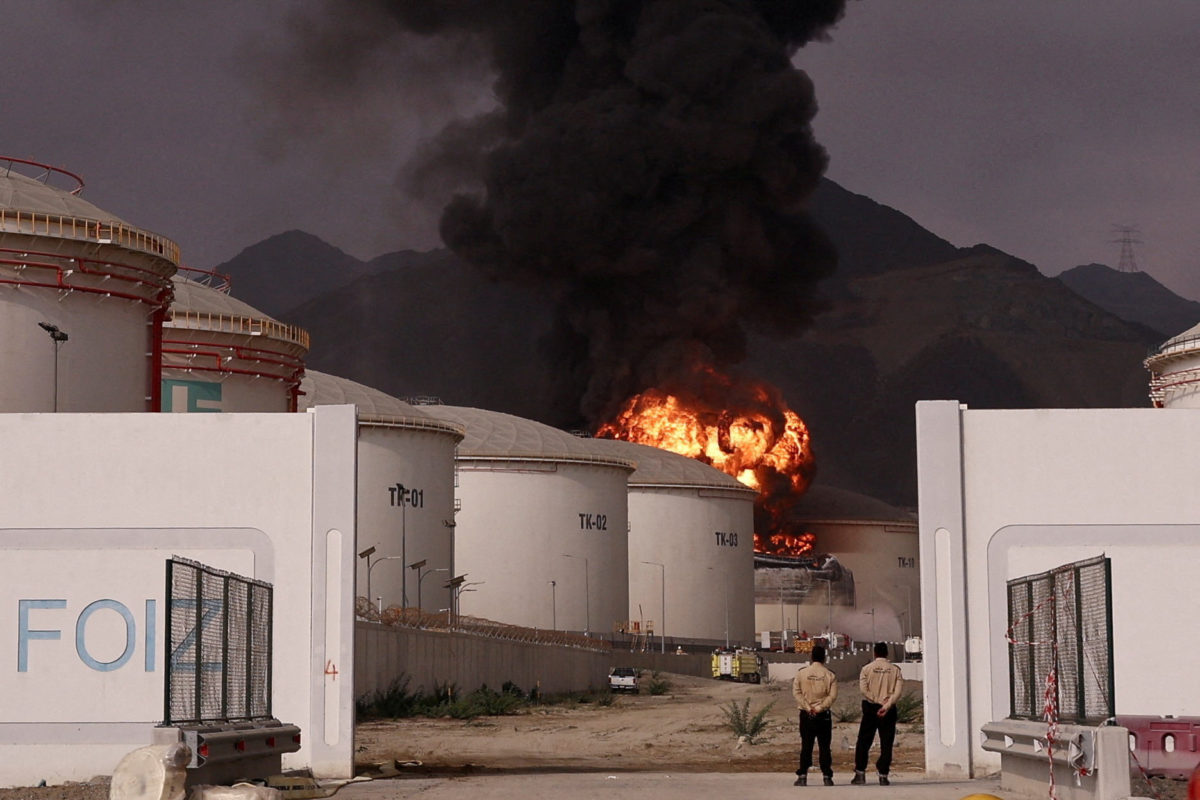
Oil prices rose sharply on Thursday after renewed U.S. military strikes on Iran heightened fears of supply disruptions in the Middle East.
Brent crude climbed 2.0% to $95.08 per barrel, while U.S. West Texas Intermediate (WTI) gained 1.9% to $91.74 per barrel, as investors priced in growing geopolitical risks.

Markets remain on edge over the possibility of retaliation by Iran, which could disrupt shipping through the Strait, tightening global oil supplies and driving oil prices even higher.
U.S EIA Data – Great Hold for Oil Prices.
Supporting the bullish outlook, the U.S. Energy Information Administration (EIA) reported that U.S. crude oil inventories fell by 7.2 million barrels last week, signalling stronger demand and tighter supply conditions.
Analysts at The Trading Room rallied that Brent crude could test the $100-per-barrel mark if tensions continue to escalate or if oil flows through the Strait of Hormuz are disrupted. Our analysts continue to closely monitor developments in the Gulf and any response from OPEC+, with the trajectory of oil prices likely to depend on whether the conflict remains contained or escalates further.
Kenya, which imports nearly all of its petroleum products, could eventually see increased fuel costs if current oil prices are sustained, putting upward pressure on transport costs, inflation, and the overall cost of living.

Also Read: Global Oil Prices Slip as Brent and WTI Weaken Amid Middle East Ceasefire


