


The Energy and Petroleum Regulatory Authority (EPRA) has implemented a significant price hike, pushing the cost of essential fuels past the KES 200 mark for the first time since 2024. Effective from mid-April 2026, super petrol in the capital has risen to KES 206.97 per litre, while diesel saw an even more dramatic jump of over KSh40 to settle at KES 206.84 per litre.
These unprecedented rates have been driven by escalating geopolitical tensions in the Middle East, specifically around the Strait of Hormuz, which have sent Brent crude prices soaring above $100 per barrel and increased the cost of importing refined products.
Kenya Transporters Association response
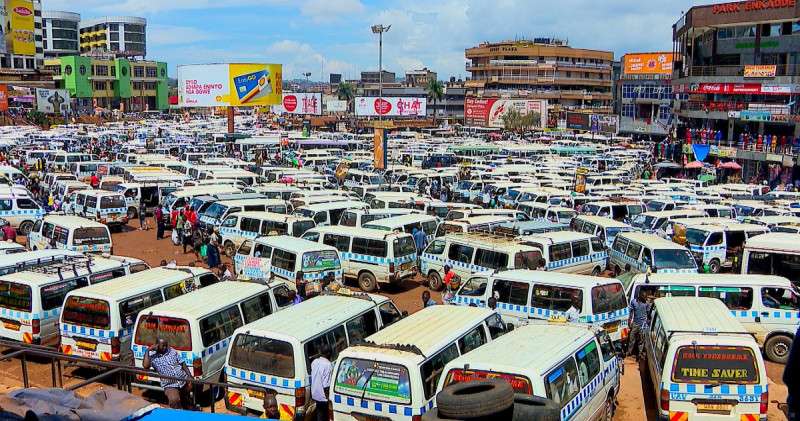
In immediate reaction to these new pump prices, the Matatu Owners Association (MOA) announced a nationwide increase in public transport fares. They stated that the adjustment was unavoidable given that public service vehicles are primary consumers of diesel, and the sharp rise in fuel costs has significantly inflated daily operational expenses. While the exact percentage of the hike may vary by route, the MOA confirmed that both urban commuters and long-distance travelers will feel the impact immediately.

The transport industry at large is struggling to absorb these costs. For instance, the Kenya Transporters Association (KTA) noted that fuel accounts for approximately 55% of total operating costs for road freight, and the recent 24.5% jump in diesel prices translates to an estimated 13% to 14% increase in overall transport expenses.
To prevent even higher prices, the government reduced the Value Added Tax (VAT) on petroleum products from 16% to 13% and deployed over KES 6 billion from the Petroleum Development Levy Fund for stabilization, yet these interventions were not enough to keep retail prices below the KES 200 threshold.
The leadership of the transport sector has acknowledged that these changes will place an immense burden on the common mwananchi who are already dealing with a high cost of living. As transport costs are a fundamental part of household spending and a major driver of inflation for other essential commodities, the fuel price surge will trigger a ripple effect across the entire economy, further straining the financial stability of Kenyan families.

Get The Trading Room on your feed — WhatsApp · Telegram · X · LinkedIn
Also read: Sameer Africa Delivers FY2025 Turnaround with Strong Revenue Growth


