


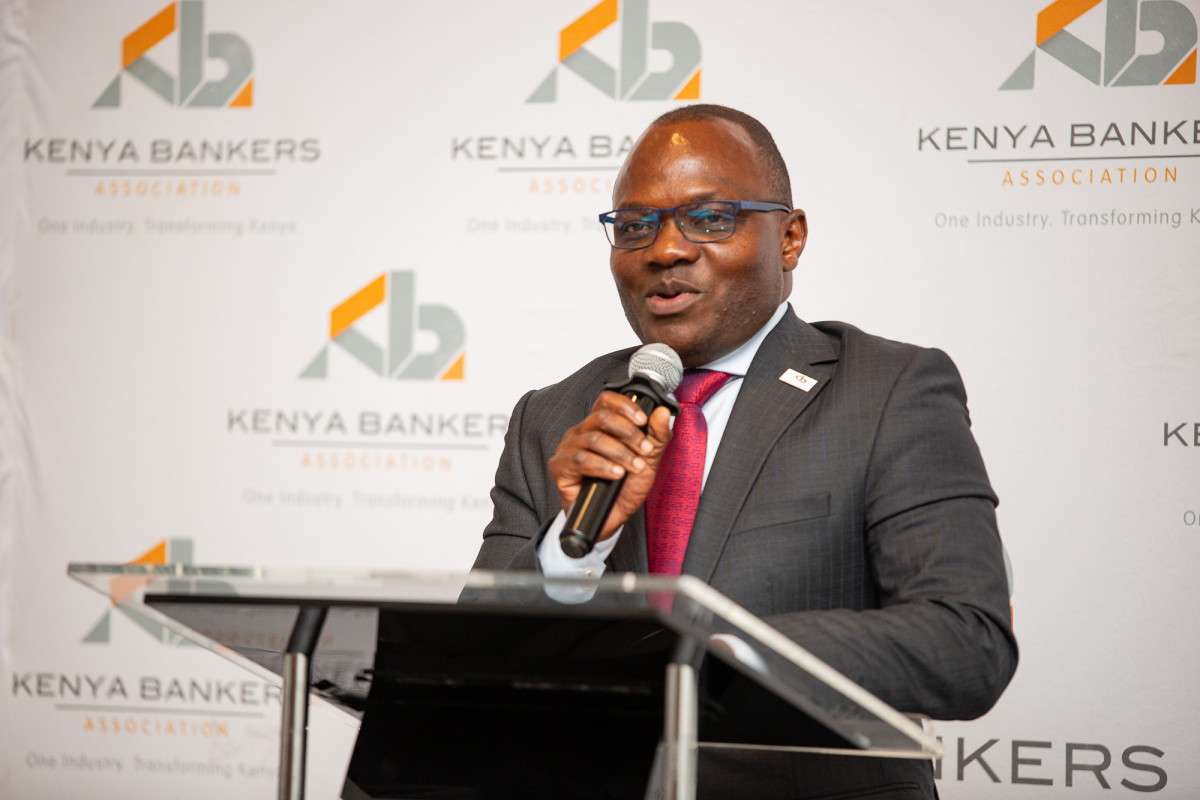
The Kenya Bankers Association (KBA) has issued a renewed call for the government to implement a uniform five percent reduction in Pay As You Earn (PAYE) across all income bands. This proposal, detailed in a statement on May 14, 2026, suggests that such an adjustment would inject approximately KES 28 billion annually back into the economy by increasing workers’ disposable income.
KBA has been very vocal about the need for tax relief for several years, tracking a period where real incomes for Kenyans have declined by between 10.7% and 12% over the last five years. Formal proposals have consistently been presented to the National Treasury, including a significant ten-point proposal in December 2025 aimed at informing the Finance Bill 2026 but it was still absent from the finance bill.
The purchasing power of salaried Kenyans has fallen significantly due to a cycle of rising living costs and high taxation. KBA has specifically recommended capping the highest PAYE rate at 30%, aligning with the National Tax Policy approved in 2023, which stipulates that personal income tax should not exceed the corporate tax rate of 30%. Currently, the highest tax band sits at 35% for income above KES 800,000, a rate the KBA believes stifles economic activity.
According to KBA estimates, the release of Ksh 28 billion through tax cuts could have a massive multiplier effect. The move could generate nearly Ksh 42 billion in immediate Gross Domestic Product (GDP) output through higher consumption. Increased disposable income would improve borrowing capacity, potentially unlocking up to Ksh 140 billion in formal lending for businesses and households.
KBA CEO Raimond Molenje argues that the resulting economic activity would generate an additional KES 27 to KES 31 billion in tax revenues from VAT and excise duty, effectively offsetting the initial revenue loss within a single financial year.
Why the Government is Hesitant to Listen to KBA
Despite these projected benefits, the government has been reluctant to adopt a uniform 5% cut across all bands, primarily due to its heavy reliance on labor taxation to meet immediate fiscal needs.
While the Treasury has acknowledged the need for relief, it has limited its focus to low-income earners. Treasury Cabinet Secretary John Mbadi stated that plans are only underway to increase the tax-free income threshold from KES 24,000 to KES 30,000 per month.

This targeted approach ignores the KBA’s recommendation for a uniform cut across higher tax brackets. The government appears hesitant to risk the initial KES 28 billion revenue foregone, preferring to maintain high taxes on labor rather than banking on the long-term growth of VAT and corporate income taxes.


