


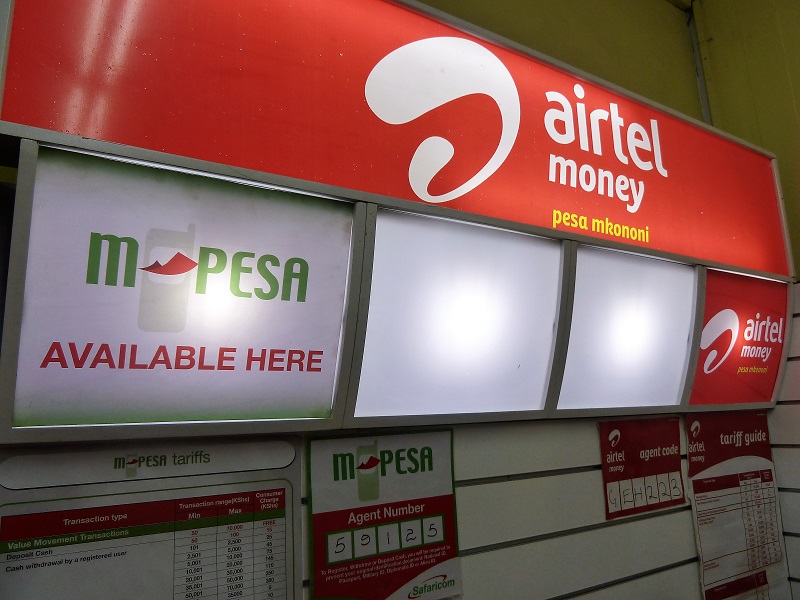
Kenya’s push to expand its tax base has opened a new debate over the future of digital finance, following the government’s proposal to introduce a 16% Value Added Tax (VAT) on payment service providers under the Finance Bill 2026. The proposal targets the country’s 42 licensed payment service providers, including major platforms such as Safaricom PLC’s M-Pesa, Airtel Kenya’s Airtel Money, and Pesapal, all of which have become central to Kenya’s rapidly expanding digital economy.
The proposal has reignited a longstanding debate surrounding how Kenya classifies mobile money and digital payment platforms around tax. Traditional banking services in Kenya are largely exempt from VAT under financial services provisions. Mobile money operators, on the other hand, are regulated as payment service providers rather than banks, placing them in a different legal and tax category. That distinction has previously triggered legal disputes and continues to fuel concerns over unequal treatment between banks and fintech platforms.
While the government maintains that the tax would primarily affect service providers, industry stakeholders and economists argue that the economic burden is unlikely to remain with the companies alone. In practice, VAT functions as a consumption tax, meaning service providers could ultimately pass higher operating costs to users through increased transaction charges. For millions of Kenyans who rely on mobile money daily, even marginal increases in fees could significantly affect household spending patterns.
Socio-Economic Effects for Kenyans
The debate carries substantial social and economic implications because mobile money has become essential public infrastructure. Today’s economic ecosystem is being driven by frequent low-value transactions used by ordinary households and small businesses.
Increasing the cost of digital payments could affect lower-income groups, many of whom remain outside the formal banking sector. Research examining taxation in lower-middle-income economies has also suggested a relationship between higher taxes on goods and services and increased poverty levels. Such findings have intensified concerns that additional levies on essential digital financial services could undermine years of progress in financial inclusion, an area where Kenya has long been viewed as a global leader.
The country’s digital payments have grown rapidly partly because of affordability, accessibility, and widespread adoption. Higher transaction costs may discourage usage volumes, particularly among customers conducting smaller and more frequent transfers that form the backbone of mobile money activity. This could slow innovation, reduce investment appetite in the sector, and challenge the growth momentum that has helped position Kenya as Africa’s leading fintech hub.
At the same time, some financial products linked to commercial banking partnerships may remain outside the scope of the proposed VAT. Services such as M-Shwari and Fuliza, which are structured as financial products in collaboration with regulated banks, would likely continue benefiting from existing VAT exemptions applied to financial services.

The Finance Bill 2026 is still undergoing parliamentary review, and the proposal is expected to face significant scrutiny from both the private sector and the public. Given the sheer scale of Kenya’s mobile money where transaction volumes now exceed the country’s GDP multiple times over the outcome of the debate could have far-reaching implications for businesses, consumers, and the future direction of digital finance in the country.
Also read: https://tradingroom.co.ke/kenya-issues-open-access-electricity-regulations/


